Categories
Books short stories The writing process

From Dull to Bright

I do enjoy creating a max. 500-word story each month for the Furious Fiction competition from the Australian Writers’ Centre. I warm to the themes and criteria they choose, and look forward to spending what I can of the weekend (because that’s all they allow) being as imaginative as I can.

Here were the rules for this month:

  • Each story had to strongly feature a relationship between TWO characters. 
  • Each story had to include someone whispering.
  • Each story had to include the words JAR, UNIFORM, NEEDLE and EDGE. (Certain variations were allowed)

I decided to take a dull story and polish it to a shine. I did that by adding something new to the ending and greatly exaggerating something in the middle, but otherwise only by the way I wrote it.

My story wasn’t featured, but the fact that it was longlisted is, I think, a testament to the fact that a lot of what makes a story stand out lies simply in the writing. I could probably have improved my story, and maybe it could have been featured.

Here it is:

A Bedtime If Story

If this were pure fantasy, you’d say the numbers were unrealistic. But it’s true; their relationship lasted for fifty years, from age twenty to age seventy.

If this were pure fantasy, you’d say it needs more conflict. But it’s true; there really wasn’t much, or at least nothing worth mentioning.

If this were pure fantasy, you’d say it needs detail. I can provide that. I can talk of raising children, of delightful trips to near and far places, of long walks in various natural and unnatural settings, of together visits to museums, castles, plays, musicals, concerts, weddings, friends. I can mention how he fixed things in the house while she sewed buttons on his uniform and other clothes. How, in later years, it became increasingly difficult to thread the needle, a fact she never mentioned. How they quickly learned to avoid friction by avoiding topics because staying together was much more important, and maybe that’s why no significant conflict appears in this story.

If this were pure fantasy, you’d say the relationship is still too smooth, even though cracks are starting to appear. You’d say it jars with anything you’ve ever heard. That if you’d been sitting on the edge of your seat, waiting for the climax, you’d have fallen off it by now as sleep conquered your senses.

If this were pure fantasy, you’d have given up on the story by now. You’d have expected the end to be an accident in which they died together holding hands. Or a long, drawn-out illness, one partner caring for the other with love and tenderness. In reality, long and drawn-out was expected. Both feared that outcome. He didn’t relish the prospect of becoming gradually incapacitated; she wondered about her caring abilities, in particular about whether she possessed any. Pure fantasy would have put those fears to the test. Reality followed a shorter and easier trajectory. He fell and hit his head. No one knew why he fell.

While you suppress another yawn, I’ll leave you with a fact to dwell on. If I let you into a secret and whispered their names, tossing and turning would be the outcome. In fact, even if I didn’t…

Categories
Books memories The writing process

The Eleventh of April

Last week, on the 11th April, I attended a wonderful workshop facilitated by Judy Lev. At the beginning of the workshop, we had to write a first draft about anything we wanted. Then we learned how to work on our drafts. Then we tried to put the tips into practice. I ended up with this:

Today, I commemorate the eleventh of April, the day of my marriage to David nearly five decades ago. This is the first year I celebrate that date alone.

Yes, celebrate. Because no one can take away the memories of forty-five sunny years, and reflecting on them makes me happy. Now, I live in a new place, I see my family often, the sun still shines and I can be happy in other ways.

When I post memories with David on social media, people say, “I see it’s hard for you.” But I don’t feel that way; the memories make me smile. When I explain that, they shake their heads in disbelief. But it’s true, honestly.

No doubt, the piece could be improved further, but it’ll do for now.

Following on from my previous post, I have created a new Facebook account, which is only for friend friends. When I’ve created an author page, I’ll post the link here.

And Tel Aviv is amazing…

Categories
Books The writing process

How Long is a Short Story?

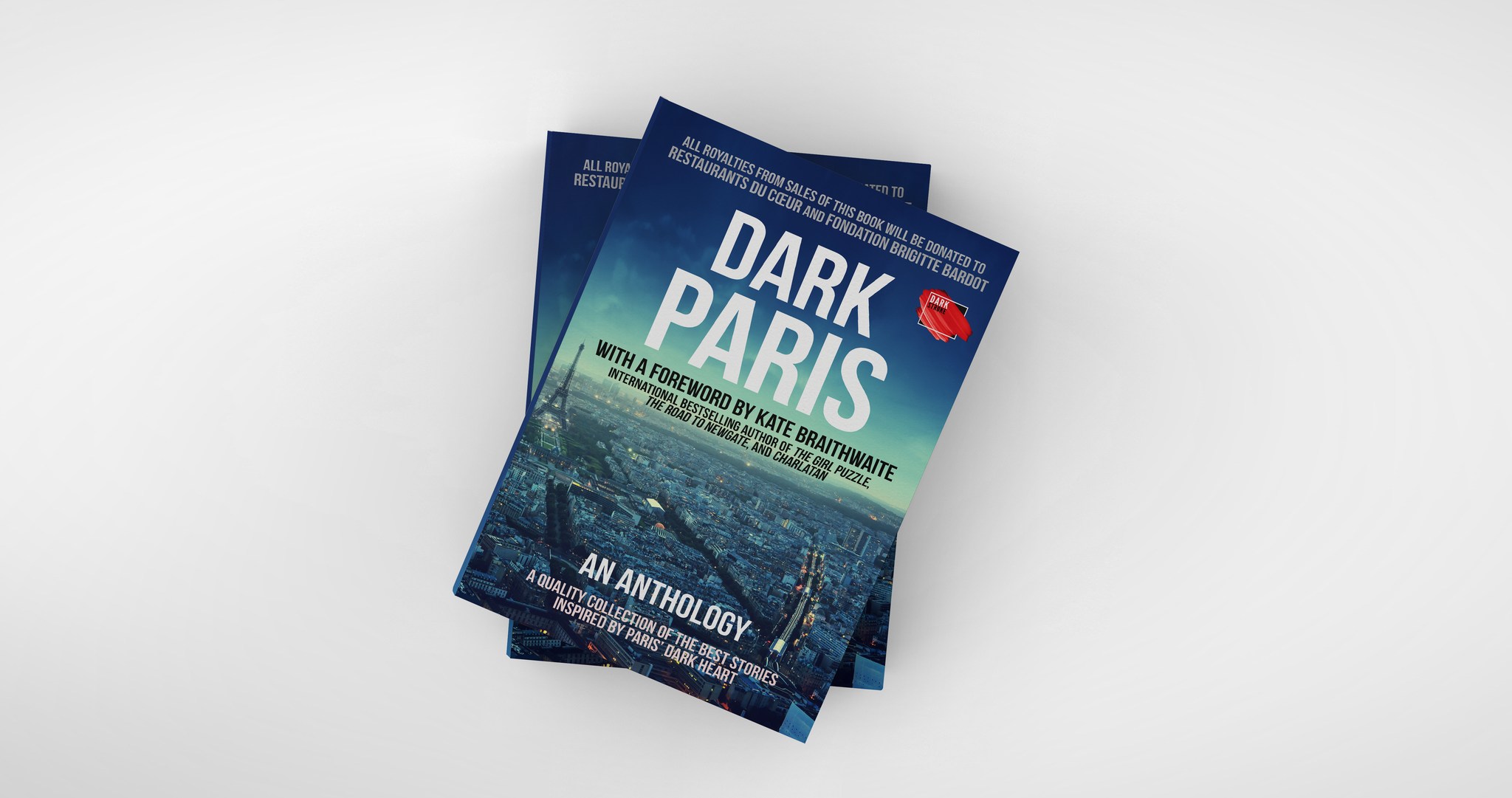
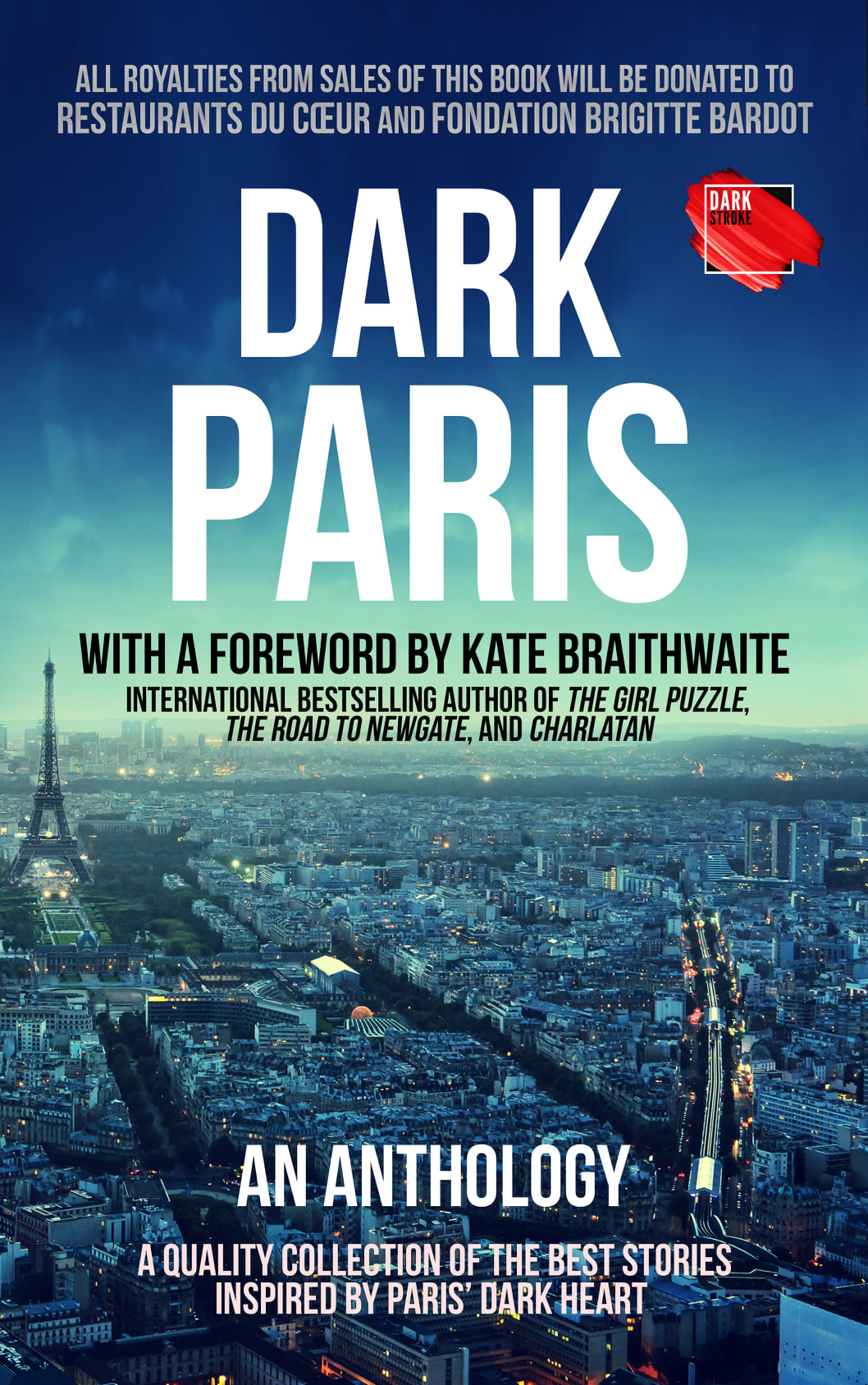
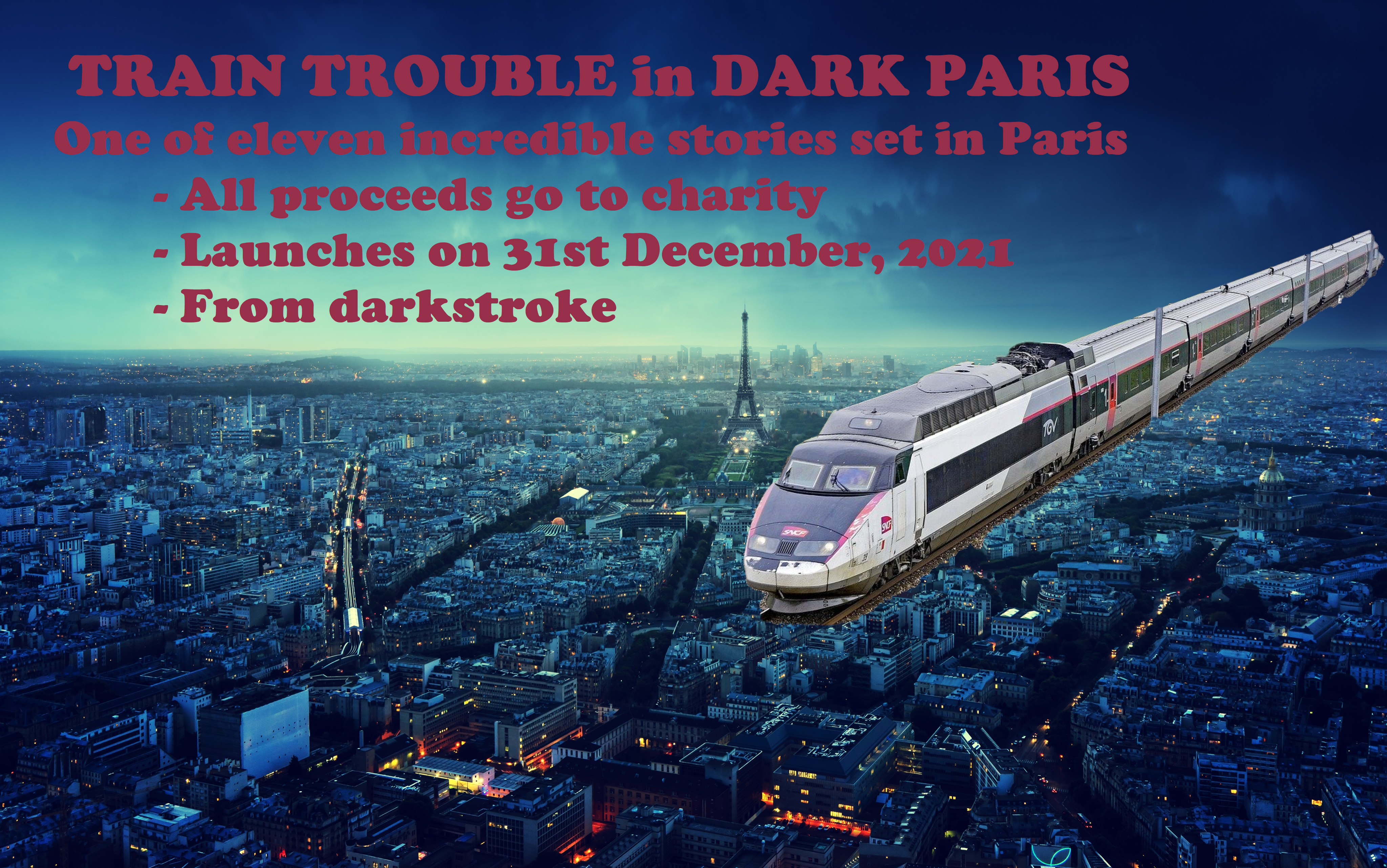
I’ve had two short stories published recently. The first, Train Trouble, is in the Dark Paris anthology from darkstroke. It has 4,459 words.

The second is called A Sticky Interview, and is in the collection called Appointment at 10.30 from Pure Slush. It has just 392 words.

Appointment at 10.30 and Dark Paris

Both are valid as short stories, although the latter would also fit under the flash fiction label.

Train Trouble is long enough to include two main characters, a minor character and some walk-on parts. It also contains several descriptions of places, indoors and out, and a number of scenes.

A Sticky Interview has two characters and two scenes. Descriptions are sparse and concern themselves with nothing more than the particular topic of the story. Yet, its very length led me to experiment. Where else would I write a sentence like:

The blushes lap at his throat, burning his words.

I haven’t written anything quite like that in a longer short story, and certainly not in a novel. Perhaps I should try it, but would I be able to maintain the style in a longer piece?

I won’t know if I don’t try…

Categories
Books Editing The writing process

Why Do We Do What We Do?

I got homework to explain why I write books – in a one-minute video. How can I condense all that into one minute? Could you?

Whenever I have limited time or word count to deliver a message, I write down what I want to say and then cut it down to size. I’ve decided to use this blog post to write my thoughts in full. While you read it, think about how you would explain why you do what you do in one minute. I think it’s a great exercise for focusing your reasons, which in turn helps you to move in the right direction.

This is an interesting question. It’s not why did I begin writing. I’ve answered that question many times. I begin my answer with my late friend, Gill, who told me about social anxiety, leading to my becoming passionate about raising awareness of social anxiety and eventually finding an outlet in writing.

But this question is different. It asks why I write now, and it deserves a different answer.

Firstly, I love writing. I love combining words that make sense together, whether fiction or non-fiction. I love creating characters and exploring how they react and interact in familiar settings and in usual or unusual situations. I love the freedom writing gives me to clarify my thoughts, something I’ve never been able to do in conversation.

And I love editing, because editing lets you refine those words to read in the best way that they can. And it lets you find all the typos, point-of-view changes, repeated words and other issues in the text. I know, lots of authors don’t like editing, but I get a thrill out of spotting errors and possibilities for improvement.

I’ve met some wonderful people through writing, people who have helped, provided support, or just popped into in my life.

Just as important are the readers. Without readers, all my hard work would seem pointless. I write so that people can enjoy reading. That’s the main reason. But also, I write so that readers can empathise and sympathise, love and hate. I hope to arouse emotions in them. I also hope they learn something from the experience; we are all constantly learning, as long as we keep our minds open.

Why else do I write? I hope that, through my writing, I will become better known. I hope that more people will read or listen to me, and I’ll be able to promote better understanding of the issues I stand for.

You know what? If I were better at spontaneous verbal communication, I could probably say all of that in a minute. But I’m not, and so I’m going to concentrate on the three topics: writing, readers and raising awareness.

This particular video will appear only in a private Facebook group, but I will be producing public videos in the coming months.

Did you think about how you would transmit the why of what you do in a one-minute video? I’d love to hear about your thoughts.

Categories
Books Israel The writing process

November Report

Remember that novel I was going to write in November? Well, I wrote it. I didn’t reach the magic total of 50,000 words, by I did pass 40,000, and now I have the first draft of a sequel to Style and the Solitary that will need a lot more work before I can submit it for publication.

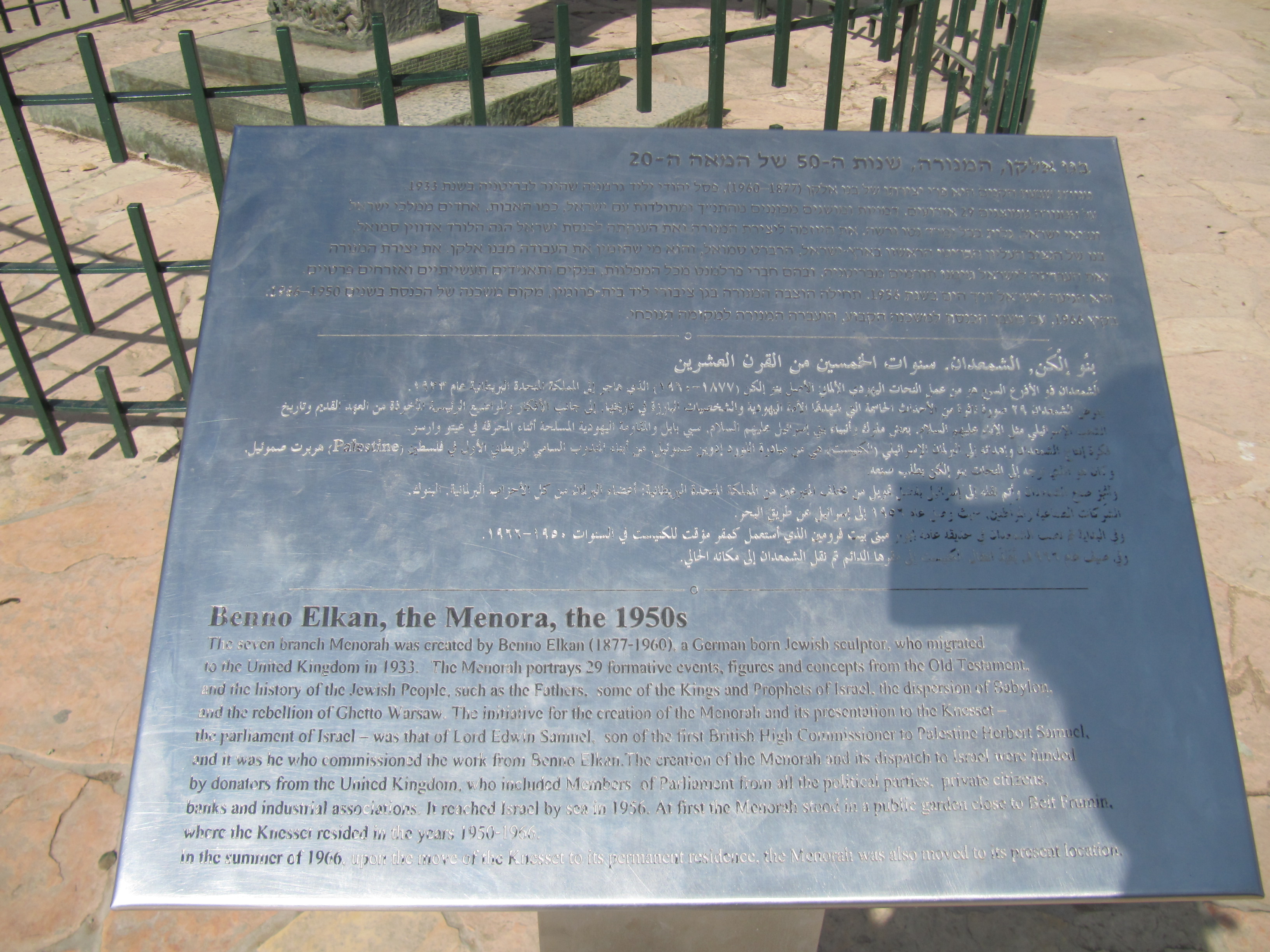
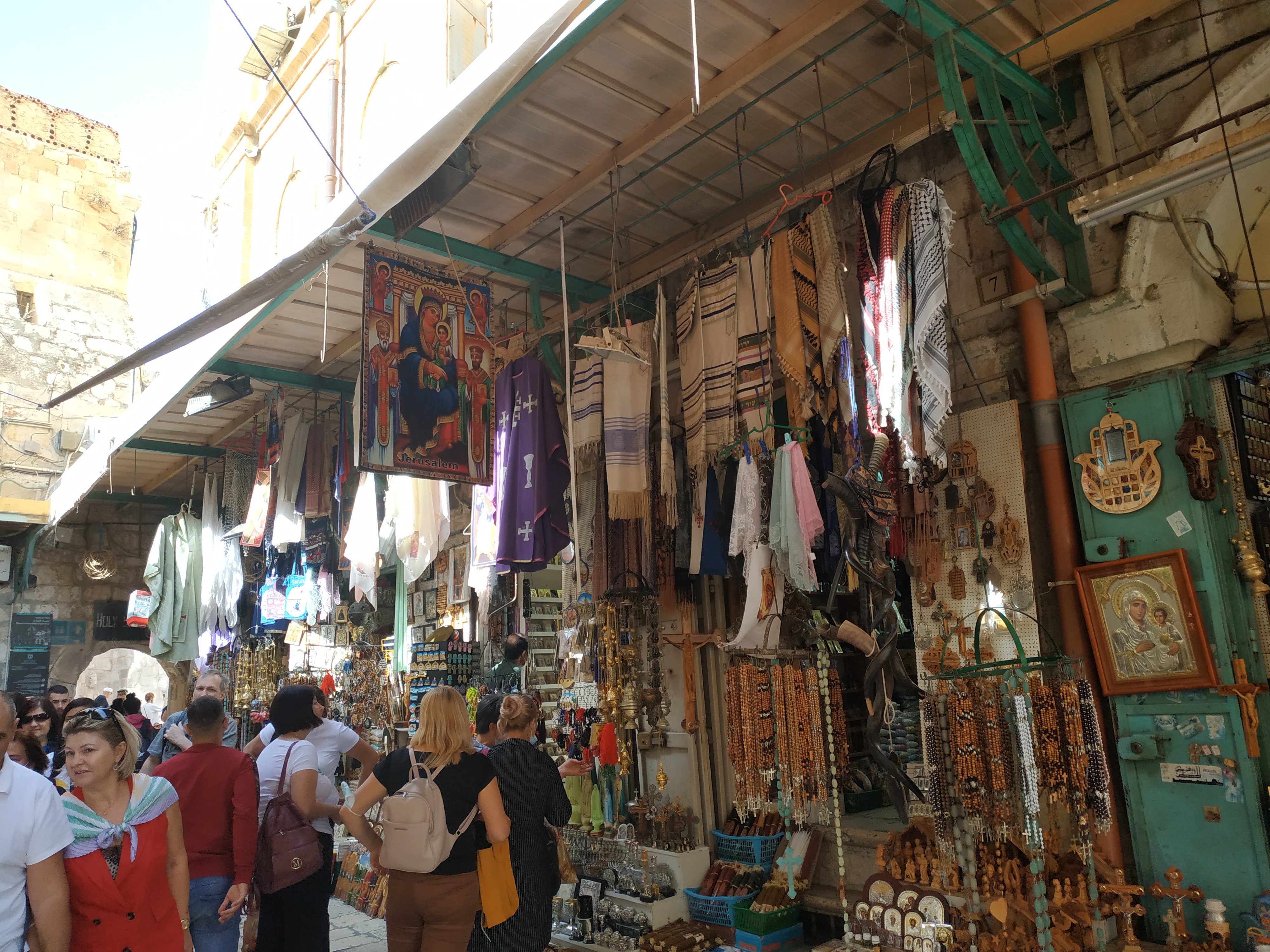
As well as spending time writing every day in November, I wandered around Jerusalem and further afield, gathering information for the novel. Here are a few of the pictures I took:

As every year, there was plenty of support from our local group of writers, and in particular Melina Kantor and Shoshana Raun. I wouldn’t have managed without them.

Now, I’m trying to catch up on all the tasks I postponed in November.

I’m also looking forward to the publication of Dark Paris, an anthology of dark stories set in Paris, all proceeds of which go to two charities: Restaurants du Cœur and Fondation Brigitte Bardot. My contribution to the anthology is called Train Trouble.

More about Dark Paris soon…

Categories
Books The writing process

Remember, remember MyNoWriMo

Remember, remember the 5th of November.

That’s all I remember of the nursery rhyme about the plot to blow up the Houses of Parliament in 1605 by Guy Fawkes and others. I don’t know if it’s still recited, but Guy Fawkes Night is definitely still celebrated with bonfires and fireworks. Of course, like all festivals, it has unfortunately become more commercialised than it was when I lived in the UK.

But this post isn’t about Guy Fawkes Night. It’s about the month of November and how I’ll be spending it.

As I’ve been doing for several years, I’ll be writing a novel. Unlike in previous years, this won’t be part of NaNoWriMo, or at least part of that organisation. As I explained in a previous post, although not in detail, I left the organisation in July. I considered writing more about my reasons today, but really, that’s not what this blog is about.

So, I’m calling it MyNoWriMo. The ‘National’ part of the name hasn’t been true for a long time, anyway.

I have a spreadsheet ready to record my daily word counts and show them in graphs. I have a name (which I’m not ready to reveal) and a temporary cover.

I also have lots of plans and ideas for this sequel to Style and the Solitary. Today, I read about the lion and the lamb, and the lion of Judah. They might just fit into the novel, somehow.

Our local group of writers has been getting more active lately, and I’m looking forward to all the encouragement and help it provides during November.

If you’re also writing a novel in November, I wish you lots of luck. If not, well I hope you manage to enjoy November nonetheless. 😉

See you in December!

Categories
Books Reviews The writing process

Creativity Matters

This post is part of the blog tour organised by Reading Between the Lines.
It’s a post I’m pleased to have been invited to write, and one that I now tackle with enthusiasm and, well… embarrassment, but only a little.
Read on…

The blog tour is for the book Creativity Matters: Find your Passion for Writing, which is compiled by Wendy H. Jones.

The Blurb

Have you always thought about writing a book but don’t know where to start? Are you an experienced author and want to spread your wings? Are you looking for inspiration for every step in your writing journey? This is a book for everyone who wants to write, whether history or contemporary, science fiction or humour, local fiction or set in a made-up world, fiction, non-fiction, memoir, there’s something here for you. Join thirteen authors as they share their passion for why you should write in their genre and find your own passion as you read.

It’s time for you to spread your wings, follow your dreams and find your passion for writing.

My Review

Here begins the embarrassing part.

You see, when I was asked to take part, I was away, hiking in the Bernese Oberland and other parts of Switzerland. I know, I haven’t blogged about that yet, but I plan to. I digress.

Since returning home, my time hasn’t been my own. I’ve had to attend to family matters and in particular to culinary matters, and the result is that I didn’t spend much time on creative matters and I
Didn’t finish reading the book.

However, I did warn the organiser in advance, and I’ve read enough of the book to have something to say about it, which is this:

I love it and am looking forward to reading the rest. All the participating authors are clearly passionate about writing in their particuar genres, and their enthusiasm is catching. Each one answers the question ‘why write?’ rather than ‘how to write?’ and yet the ‘how to’ question is answered in a ‘show don’t tell’ sort of way – by example.

The chapter on writing drama particularly appealed to me because it was written as a drama. I’ve never even considered writing drama before, but this might even get me started. All I need is time!

If you have time and want to write in any genre or to switch genres, this book will spur you on.

Links

Amazon buy link for Creativity Matters
Website
Facebook
Twitter
Amazon Author Page
Instagram

Categories
Books The writing process

The End of an Era

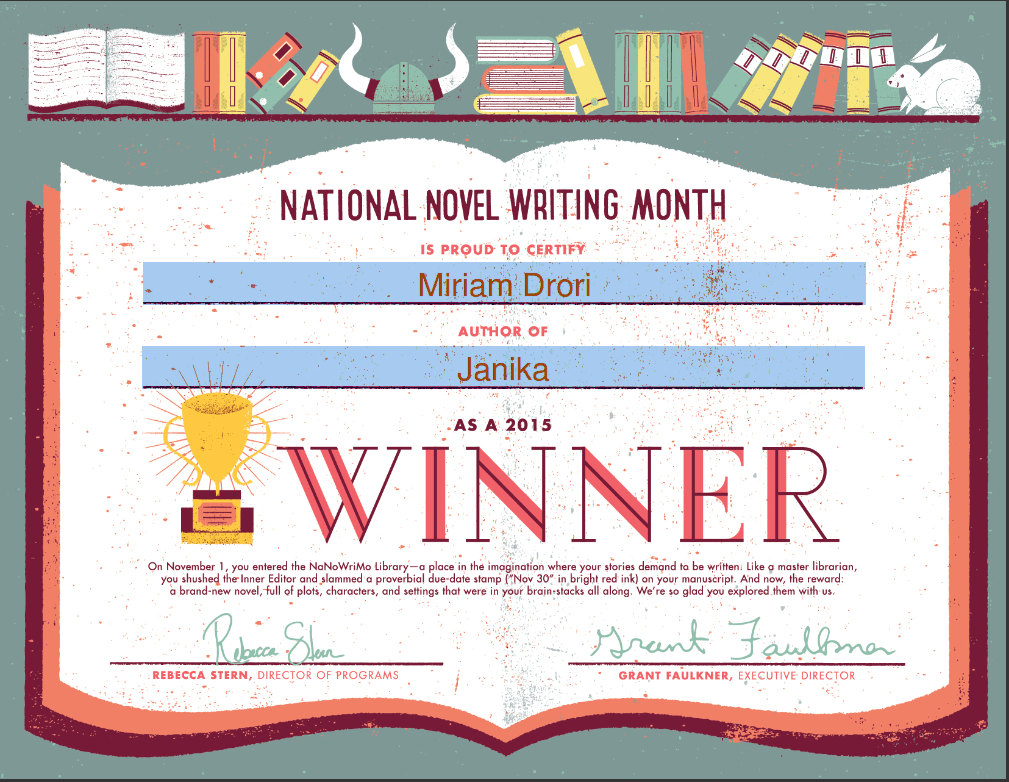
I joined NaNoWriMo in 2012. I wrote eight novels inspired by NaNoWriMo. Four times, I reached the goal of writing 50,000 words in a month. Today, I deleted my NaNoWriMo account.

Why?

When I joined NaNoWriMo, it was to connect with writers around the world. It didn’t matter to me what they wrote or how they wrote it. What mattered was that we were all in this together. It was the cameraderie that drew me in and kept me updating my profile and creating a new project every year (except for one).

Recently, NaNoWriMo has shown itself not to be the organisation I joined. They’ve taken sides in an incredibly complicated conflict, showing themselves to be swayed by popular belief and unable to comprehend even the existence of another side. Rather than bringing writers together under the common theme of writing, they’ve pushed them apart by taking a stance in a conflict they clearly don’t understand.

I didn’t leave on a whim or in a bout of fury. I wrote to them and received an unsatisfactory response. Then I waited for three weeks before making the final decision. I’m sorry to leave, but I think it was the right thing for me to do. I would never encourage anyone else to do the same.

I will continue to write. I will probably continue to write novels in November, spurred on by my local writer friends; I’m not leaving our Facebook group. And I discovered a wonderful video that explains how to create NaNo-type, word-count graphs.

Bye bye, NaNoWriMo. We had great times together. I’m so sad it’s over.

Categories
Books Social anxiety The Power of Belief The writing process

Ask and You Will Be Answered

Yesterday evening was Ladies Who Launch – a joint online launch event with the fabulous authors, Jo Fenton and Alison Knight. And me. We were celebrating the launch of our new novels:

I was looking forward to reading an extract from my novel, but not so much to tackling questions. In fact I was sure I’d mess that part up. I was ready to say, “I haven’t done your question justice, but I’d be happy to answer it properly on social media.”

In the event, there were no such problems and I managed to answer fairly well. But there was a different problem. There were several questions that I didn’t get to answer, many of which I didn’t even have a chance to see.

So, I’m opening this post up for the questions that weren’t answered, and for questions that weren’t asked before. Ask, in the comments below, about Style and the Solitary. Ask about me as an author, or as a person. With time to consider my responses, I’m likely provide a more satisfactory answer, anyway. I’ll reply to the comments or write one or more separate posts in response if the question warrants it.

What you should know about Style and the Solitary

  • It’s a murder mystery
  • It’s set in Jerusalem
  • It includes a romance
  • One character has social anxiety
  • One character is a new immigrant from France
  • It involves the power of belief

Ask away!

And many thanks to all those who attended the event and those who tried but failed.

Categories
Books The writing process

Word Tip 11: After Track Changes

It’s been a while since I wrote my Word Tips for Authors. However, I recently thought of a new one:

When you’ve finished editing a manuscript using Track Changes as described in Tip 6, you need to accept all changes and turn off Track Changes in order to continue with publication. My advice is to read the whole manuscript again at this point.

Why? Because sometimes things aren’t what they seem. I’ve noticed several mistakes in novels that I believe arose because the manuscript wasn’t read at this stage. For example, sometimes there are words that shouldn’t be there, like:

At the back of the bus was a the girl.

Probably, ‘a’ was changed to ‘the’ or vice versa and it wasn’t clear, while Track Changes was on, that the change wasn’t made correctly.

That’s all. I hope you found this tip useful.

Links to Previous Word Tips

  • Tip 1: A Matter of Style
    About heading styles.
  • Tip 2: Make Your Novel a Trampoline
    How to jump swiftly and gracefully between chapters.
  • Tip 3: That’s Not What I Wrote
    How to stop Word making changes you don’t want.
  • Tip 4: How Not to Jump to a New Page
    Press Enter until a new page appears? Please don’t.
  • Tip 5: How Not to Indent a Line
    The space bar is not for indentation.
  • Tip 6: Track and Compare
    About Track Changes, Compare and Combine.
  • Tip 7: Replacement Operation
    Pitfalls of find and replace.
  • Tip 8: Automatic Saves
    The different ways of saving a document
  • Tip 9: Accents / Diacritic Marks and Apostrophes
    Inserting acutes, graves, umlauts and the rest. Also, getting apostrophes the right way round.
  • Tip 10: Keyboard Shortcuts
    Using keyboard shortcuts to save time.