Categories
Books Israel

A Week of Exercise

Jerusalem Park Blossom2-30%
Jerusalem Park: Spring blossom

Jerusalem has a new park by the zoo. It’s part of a larger project called The Jerusalem Park. We can walk there from our house and we did the other day. There and back. And we walked all round the park and the zoo. The park is beautiful and so is the zoo. Jerusalem is hilly. We were exhausted when we returned, yet I managed to dance for over three hours (with breaks) that evening.

Jerusalem Park: Canal

The next day we were in Tel-Aviv and did a fair bit of walking there. Fortunately it’s flat.

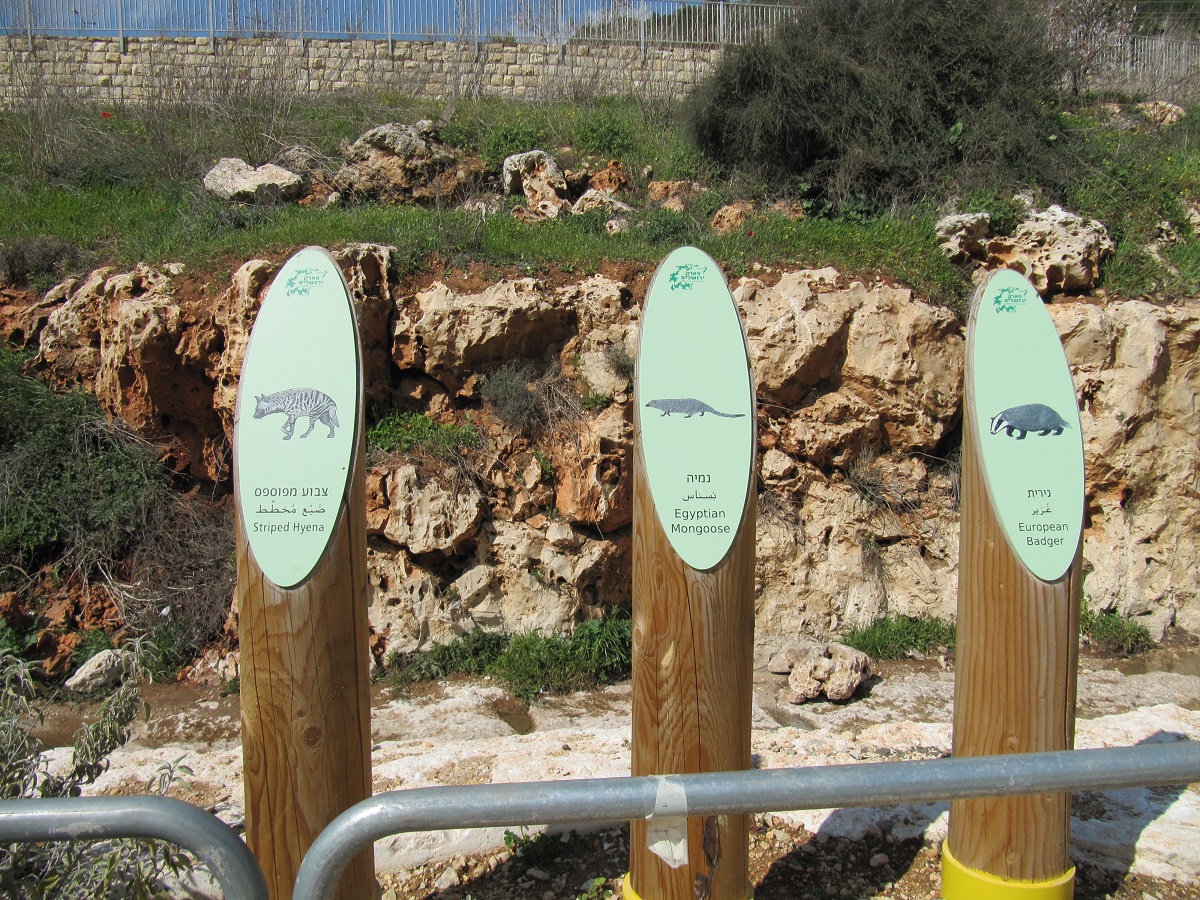
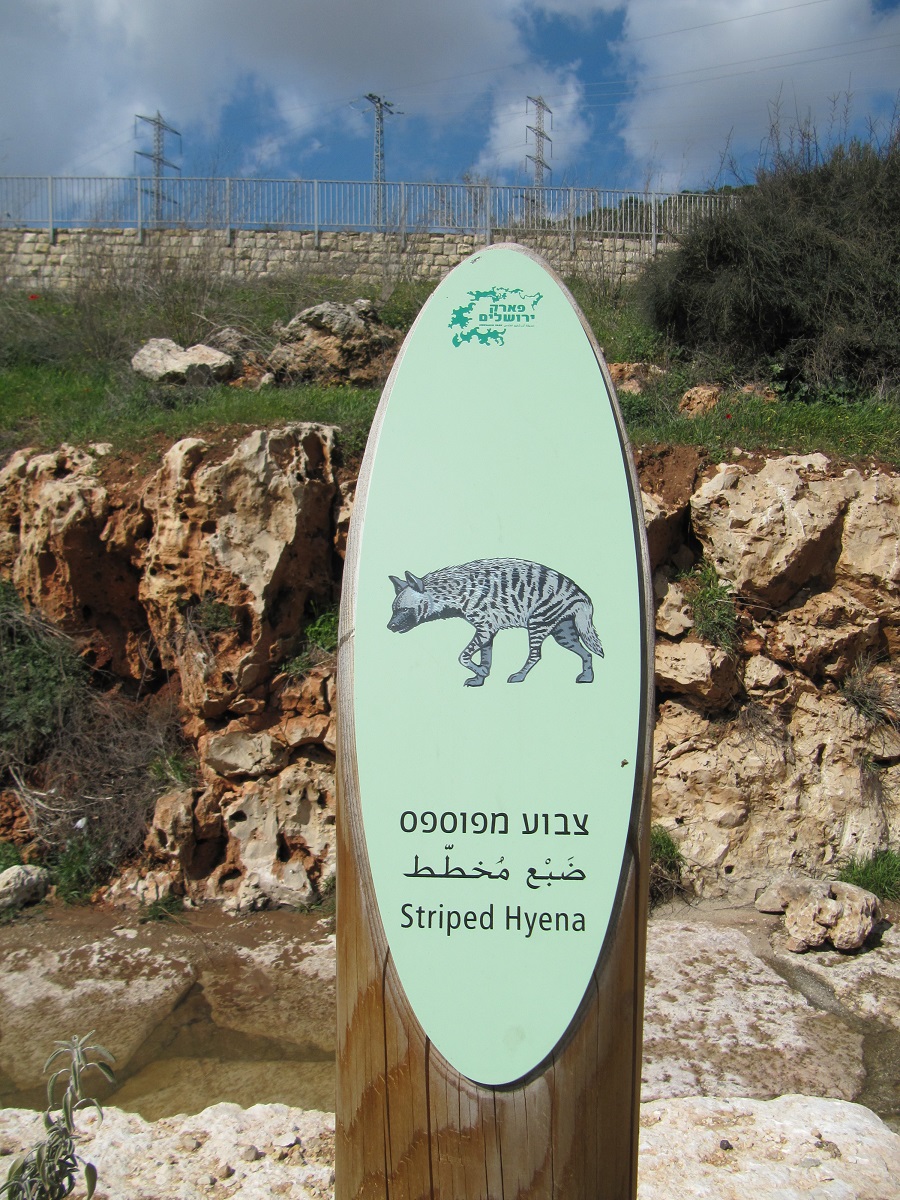
Jerusalem Park: Hopefully not full of Hyenas!
Jerusalem Park: Hopefully not full of …
Jerusalem Park AnimalSign2-30%
… hyenas!

Then there was a walk to the post office (twenty minutes each way) and more folk dancing. Tomorrow my writing group is meeting at a different location from usual. If the weather is okay, I’ll probably walk there, too (about half an hour each way).

Apart from being good for the body, walking provides more opportunities to see things: scenery, plants, animals, humans. Things to put into stories. The park is now ensconced in the first chapter of the sequel.

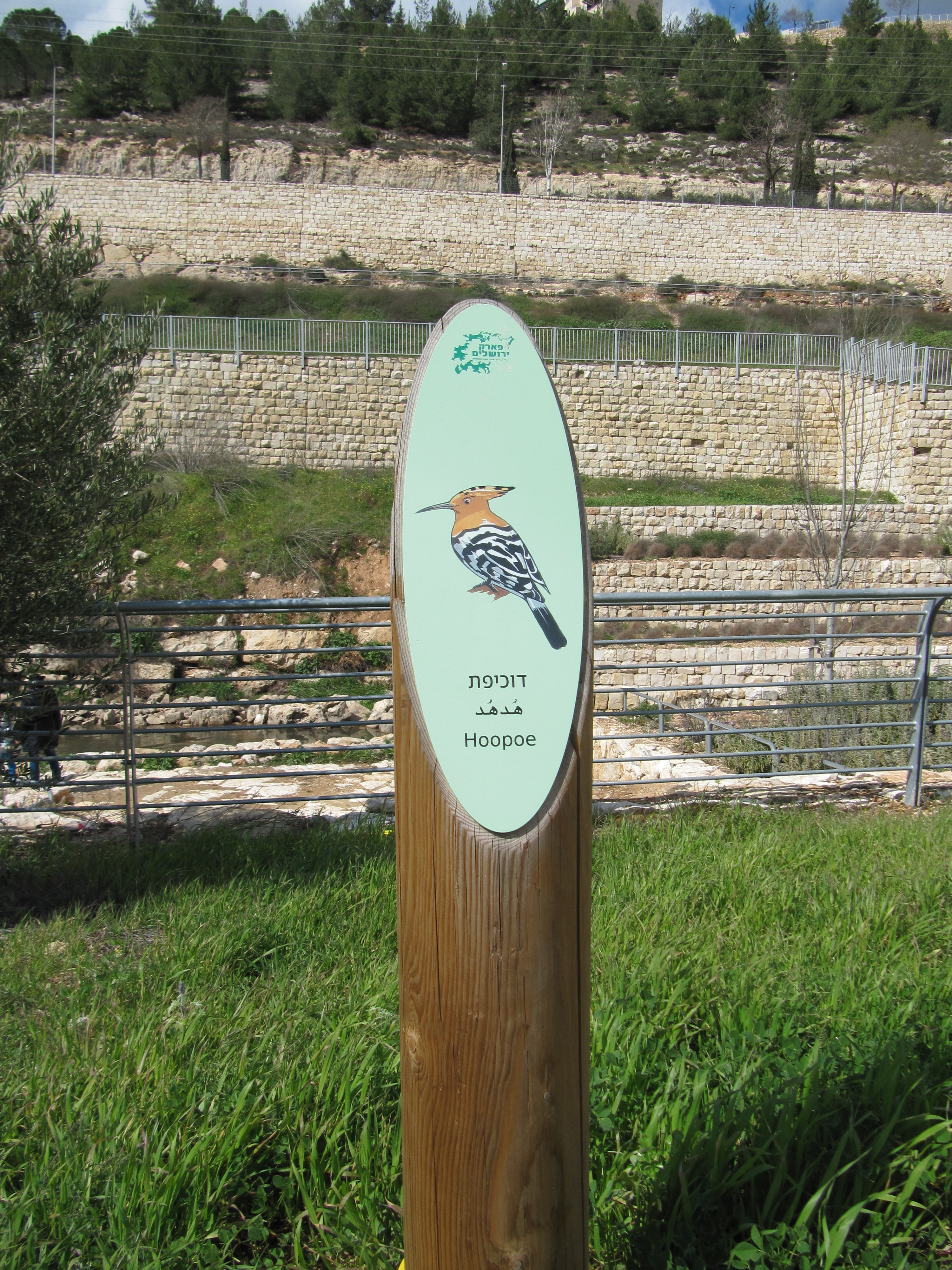
Jerusalem Park: my favourite bird
Categories
Books Interviews

Singing the Praises of Vanessa Couchman

Vanessa CouchmanMy guest today is the Crooked Cat author, Vanessa Couchman, whose debut novel is set in Corsica. In The House at Zaronza, a young woman uncovers the story of a secret romance from the beginning of the twentieth century.

Hello Vanessa and welcome to my blog. Could you start by telling us about the place you live in?

Hi Miriam, and thanks for inviting me. We have lived full time in South West France since 1997. We fell in love with an ancient farmhouse set in glorious countryside. Having a continental climate it can be freezing in winter (no one tells you that before you move!) and roasting in summer. But we love it here. I’m not a city person by temperament and the country life suits me perfectly. Although it’s good to catch up on exhibitions, theatre etc and especially English bookshops whenever I go to London.

People think Israel is always hot, and are surprised when I mention snow in Jerusalem.

How well did you know French before you moved and how good is your French now?

I learned French at school for years but it doesn’t equip you for living here! My grammar was good but I could barely string two words together. (My husband had lived in France before, so his French was reasonable). I went to French classes for 4 years and now I would say my French is fluent but not perfect. Being a perfectionist, I will probably always say that!

Ah, a perfectionist. That fits with my impression – that you’re organised and modest. Organised because of the way you handled your interview of me, down to the exact time when it would be published, and even converted that to my time zone. And modest because when I praised you for being organised you downplayed it.

Does that trait also apply to the way you write? Do you plan everything before you start?

I was brought up not to push myself forward, so the idea of blowing my own trumpet always makes me squirm. Not the best of attributes, perhaps, when it comes to marketing books! I suppose I would describe myself as efficient and can achieve quite a lot if I set my mind to it. I also have a tendency to indolence, so there are bursts of activity with fallow periods in between. When it comes to writing, I do like to plan things – but not too much, since that can stifle creativity. Sometimes, I just like to start writing with an idea in mind and see how a particular scene will work out.

I have the same problem when it comes to marketing books. It doesn’t come naturally, but we twenty-first century authors have no choice.

I recently wrote a blog post about the word ‘passion’ after someone wrote that it has no place outside the bedroom. Having concluded that it does, I wonder what you’re passionate about.

Gosh, hard to know how to answer that one. I’m passionate about women’s rights and passionately against oppression in any form. That all sounds a bit high falutin’, so coming closer to home, I’m passionate about history, which was the subject of my first degree, and that’s why I normally choose to write historical fiction. My interest in history grows as I get older and I’m particularly interested in Corsican history and the history of the area of France where I live.

I’ve never tried or wanted to write historical fiction before, but an event I happened to come across triggered an interest. How should I go about it? Do you have any tips for writing historical fiction?

Gosh! I’m no expert. One of the dilemmas is how much history and how much story to include. Getting the balance right is very hard. Great chunks of historical background will just turn off the reader. Equally, you have to get your facts right and ensure that you have captured the spirit of the age.

Since we’re talking about fiction, my advice is to focus on getting the story right and worry about some of the detail later on. You still have to research the period in question, but the research shouldn’t develop a life of its own. Sometimes you have to adjust the storyline in the light of the history. But navigating a course through these problems is just what fascinates me about historical fiction.

You have written historical fiction. Therefore you’re much more expert than I am, and this looks like excellent advice.

The House at Zaronza - Vanessa CouchmanI enjoyed reading The House at Zaronza very much. I particularly liked the superb writing, the settings and being able to lose myself in the story. What have others said about it?

Thank you. I’m pleased you enjoyed it. Well, you know what I said above about squirming! However, I’ve been delighted with readers’ responses to Zaronza. A number of people have mentioned the Corsican setting, which is pleasing, since that was very important for me. People have also mentioned that they felt involved with the characters and kept reading to find out what happened when they should have been doing other things! And lots of people have asked about a sequel, which was not something I considered when I first wrote it, but I am working on one now.

Lastly, I’m interested to hear more about the choirs you sing with. I have belonged to choirs in the past, but only one at a time! How do you have time for several? What sort of music do you sing? Do you give performances?

I love singing, but took it up again only a few years ago, not having been in a choir since university. Until last Christmas I belonged to a big local choir, which gave concerts several times a year, but sadly had to give that up since they changed rehearsal times. I also belong to a small ensemble of 12 people run by a friend and a women’s choir of about 30. And we sing in big a scratch choir twice a year, which comes together to give concerts in aid of a church restoration fund. Fortunately, not all these choirs meet every week. It’s mostly classical music and choral works with the big choirs, but we also sing more modern works and French songs with the smaller ones. But I would never, ever sing a solo in public!

I wouldn’t do that, either. I don’t think I could stop my voice from quivering.

Vanessa, thank you so much for this interview. I’ve enjoyed finding out more about you.

Thank you, Miriam, I’ve enjoyed it too.

Clearly Vanessa is not going to blow her own trumpet, so I shall sing her praises! She is one of those people who manages to fit so much more into their lives than I can. She is an excellent writer, a kind and friendly person and… I’m sure there’s more but that’s all I know.

***

Vanessa Couchman is passionate about French and Corsican history, from which she derives the inspiration for much of her fiction. She has lived in France since 1997, where she runs a copywriting business and also writes magazine articles. Her short stories have won and been placed in creative writing competitions. The House at Zaronza is her debut novel.

The House at Zaronza is available from Amazon UK and Amazon US.

Vanessa Couchman can be found at her Website and blog, Goodreads, Facebook and Twitter: @Vanessainfrance

Categories
Blogging

AgainZ

I wasn’t going to do it. I didn’t have time. I don’t have time. But I had a brilliant idea for a theme and so I did it. Yes, I signed up again for:

Starting on 1st April with A, I will post about a topic beginning with the next letter in the alphabet. A lot of other bloggers will be doing the same. I am currently number 595 out of 604. By April, there will probably be thousands of bloggers signed up for this. Most have a theme; some choose topics at random. All my posts will be on the theme of…

Sorry, I’ll tell you that nearer the time. I’m excited about it. See you in April! And before.

Categories
Books Interviews

A Couple of Links

I’ve gone and done another interview. Fellow Crooked Cat author, Vanessa Couchman, kindly hosted it here.

And the other day, I wrote about the mezuzah on the Crooked Cat blog.

Happy reading and have a great weekend!

Categories
Interviews

Taking a Camel to Rome

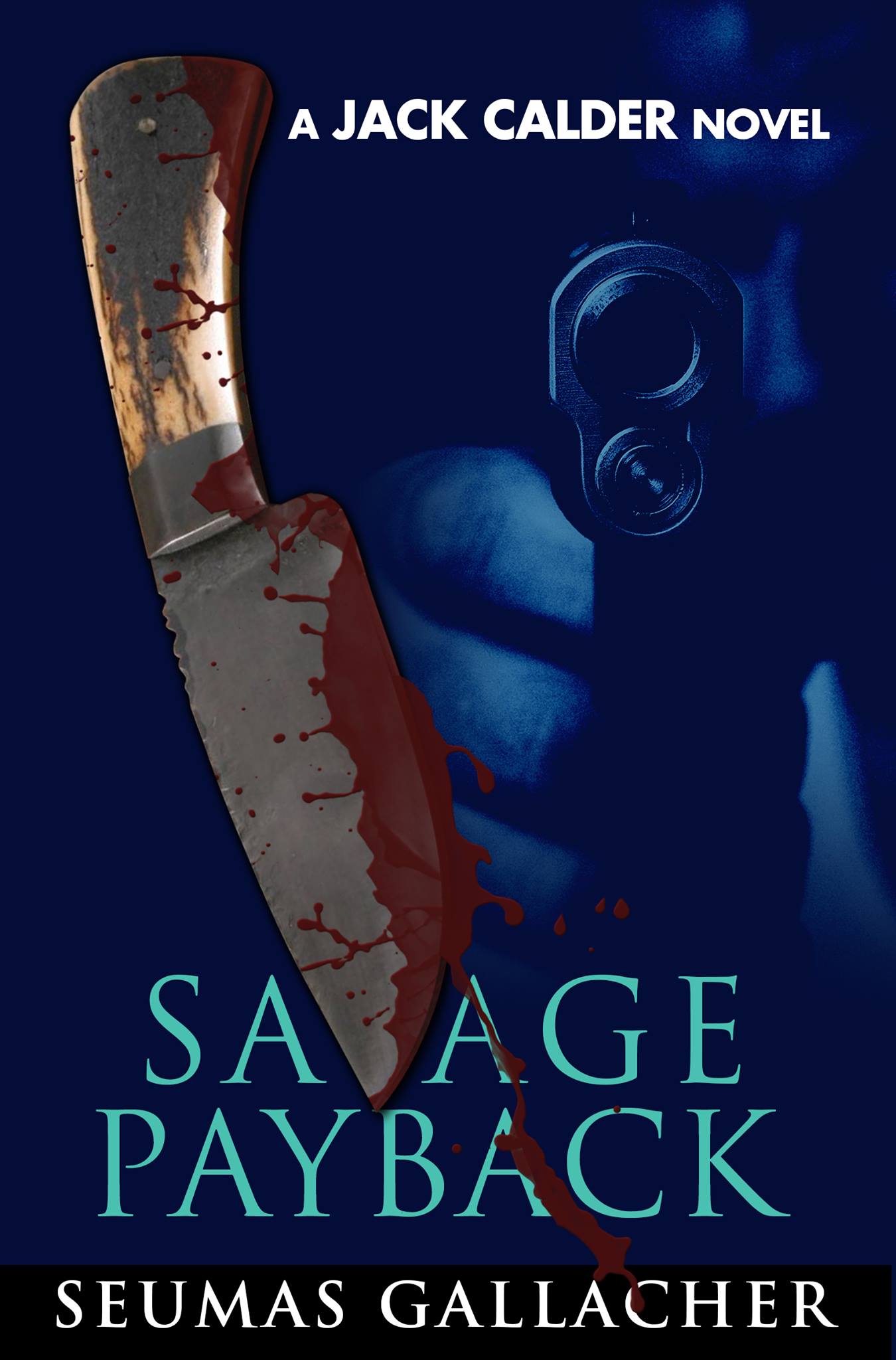
Seumas GallacherI’m delighted to be joined by Seumas Gallacher today. Seumas is a prolific writer of crime thrillers. He has had phenomenal success as a self-published author and has now partnered with Crooked Cat, who are republishing his novels, starting with Savage Payback. (If you want to know why he decided to do this, the answer is here in the post from 2nd February.) Seumas has also written a very helpful guide to self-publishing called Self-Publishing Steps To Successful Sales. Unsurprisingly, Seumas comes from Scotland. If you thought Ireland, as I did at first, look at the spellings again. And if you need any further proof, one look at his blog is all you need! A more surprising fact is that he lives in Abu Dhabi.

Hello Seumas and welcome to my blog. I thought about conducting the interview face to face. I looked up Google’s driving instructions from Jerusalem to Abu Dhabi and got the message: “Sorry, your search appears to be outside our current coverage area for transit.” Still from the map it looks to be quite a straight road. I’m just wondering whether to go that way, taking in the wildlife sanctuary and Riyadh on the way, or to travel to Eilat and take a leisurely cruise round the coast. In the meantime, I’ll make do with this long distance chat.

Hi, Miriam, pity, that. I could have got you some nice discounted camel passes from a guy I know… and anyway, I’m told that all roads lead to Rome, so p’raps we’ll end up in Italy ……

That’s an idea! I read that you went to Abu Dhabi for a short job and ended up staying. What drew you to that place?

My profession is that of (whisper it) a banker, but by vocation that has segued over the years into being a corporate troubleshooter… on one of those engagements I went to Abu Dhabi ten years ago, for one month… I’m still here …

I was offered terms to stay longer and did so because I like the pace of Abu Dhabi …it’s less frenetic than its partner down the road, Dubai, which is more of a marketing man’s dream… currently I shuttle between Abu Dhabi and Bahrain on business… I like the style of the locals whom I’ve been privileged to do business with…

Do you speak Arabic?

I took six months of Arabic lessons, but hardly made as much of an indent as I would like …it’s a very difficult language, as I’ve discovered there are very few algorithms to follow in terms of tenses and so on.

I empathise with you. I’ve never tried to learn Arabic. I got put off by the script, which looks hard to decipher, and the fact that the spoken and written languages are different. But can you manage there without Arabic? Do most people speak English?

Most people do speak English very well in the Middle East, but I’ve always tried to learn the lingua franca wherever I’ve been… it’s respected locally as an effort to ‘come across the bridge’… I speak varying proficiencies of English, Gaelic, French, Tagalog, Cantonese and Arabic… some may say I’m best at talking rubbish…

That sounds impressive! I had to look up Tagalog and it turns out 57 million people speak it.

Ah, sorry, Tagalog is the mainstream language of the Philippines, which actually has more than 75 various dialects.

Do you miss Scotland?

In all honesty, as regards Scotland, I’ve been away for more than 40 years, so I’ve become very much an ’international’ citizen… fond memories I have in spades, of course, but there’s very little attraction to return…

I’m not tempted to return to England, but I miss little things like wide open spaces, country pubs, salt ’n’ vinegar crisps and shortbread. Is there anything you dream of that’s in another country?

I dream very little of other countries’ attractions, having been blessed with travelling so much already in a life and career around the planet… however, there are places I certainly enjoyed being in: Vienna as a tourist, Hong Kong as a businessman, and San Francisco as a mixture of both.

Of those three, I’ve only been to Hong Kong so far, and enjoyed it immensely.

So where are your novels set?

International range..on purpose… based from their London offices, the proponents travel through the books to many parts of Europe, Hong Kong, Turkey, North Africa, the Balkans and South America.

What else do you want to tell us about them?

Savage Payback - Seumas GallacherBasic story line is of 3 former SAS commando officers who create their own specialist security firm protecting high value clients and their merchandise. They encounter several bad guys in the form of international crime lords, drug kingpins, people trafficked, money launderers. They use their black operations skills to bring justice where needed, away from the eyes of the normal law enforcement methods.

I read that you left home at the age of 15. How does a 15-year-old boy manage in the big wide world?

As the Beatles put it so well ‘I’ll get by with a little help from my friends’… I’ve had some terrific people come in and out of my life at pivotal moments …each a hero in their own way… also being able to use my own fists where necessary has been useful… I loathe bullies, and have always had a kinda reckless attitude toward not backing off from bullying when I meet it…got me into trouble some times, but trouble that I welcomed, strangely enough.

I wish I’d known how to do that! I suppose it all comes down to self-confidence, which is also what you assumed when you wrote, “I go along with the adage that if you believe you can achieve something, or if you believe you cannot achieve something, you’re probably right.”

What if someone doesn’t have the self-confidence to believe they can achieve something?

Tough one… revert to the saying if they don’t believe it, they’re probably right..sadly.. so many people never try , never step out of the comfort zone… it’s okay to be scared sometimes when you do things…

Hmm, I’ll think about that.

I loved this quote from the interview with you at Smorgasbord: “Thus began my growing tolerance for all people who once seemed on the surface to be different to me… we are all the same.” Would the world be a better place if everyone realised that?

For sure.

We’d better get the word out then!

Seumas, thank you so much for coming onto my blog. I don’t suppose you’ll be surprised to learn that I don’t get many visitors from your part of the world. I wish you even more success with your novels now that you’ve partnered with Crooked Cat.

***

SEUMAS GALLACHER escaped from the world of finance five years ago, after a career spanning three continents and five decades.

As the self-professed ‘oldest computer Jurassic on the planet’ his headlong immersion into the dizzy world of eBook publishing opened his eyes, mind, and pleasure to the joys of self-publishing. As a former businessman, he rapidly understood the concept of a writer’s need to ‘build the platform’, and from a standing start began to develop a social networking outreach, which now tops 18,000 direct contacts.

His ‘Jack Calder’ crime-thrillers series, THE VIOLIN MAN’S LEGACY, VENGEANCE WEARS BLACK and SAVAGE PAYBACK blew his mind with more than 80,000 e-link downloads to date.

He started a humorous, informative, self-publishers blog three years ago, never having heard of a ‘blog’ prior to that, was voted ‘Blogger of the Year 2013’ and now has a loyal blog following on his networks. He says the novels contain his ‘Author’s Voice’, while the blog carries his ‘Author’s Brand’. And he’s LUVVIN IT!

***

You can find Seumas on his blog as well as on Twitter, Facebook and email (seumasgallacher@yahoo.com).

Savage Payback is available on Amazon UK, Amazon US, Amazon Canada, Amazon Australia and Smashwords.

Categories
Social anxiety

Passion is Out

That’s it. Finished. I am no longer passionate about raising awareness of social anxiety.

Why? I just read this article. It says, “Passion is something that takes place in a bedroom not a boardroom.” Except that in my case it should say, “Passion is something that takes place in a bedroom, not a personal computer.” Outside the bedroom, passion is a cliché.

The only trouble is, I don’t know what to replace it with. My goal is to raise awareness of social anxiety? Shouldn’t “goal” be reseverved for the football pitch? My ambition is to raise awareness of social anxiety? Isn’t “ambition” a word for job fairs?

The jury’s still out on this. No, I don’t mean that – I’m not in a courtroom.

PS I’m not poking fun at the article, which was written by a cousin of mine. I agree that marketing needs to be stripped of meaningless words. But I’m not a company; I’m just me. Please may I still be passionate?

Categories
Holidays

The Value of Life

To individual people, lives are not equal. Some are much more important to us than others. The lives of those closest to us are the most important. Then perhaps the lives of those less close to us. Then public figures. Of the people we don’t know, we tend to worry more about those who have some connection to us. When some major disaster happens in the world, my local news tells me how many Israelis were involved. If I turn on BBC news, I hear the number of British people involved.

Does each country value the lives of all its citizens equally? Israel does. Britain does. India, as I discovered recently, doesn’t. I’m going to describe the incident that brought this home to me.

During our recent tour of the states of Odisha and Chhattisgarh, our group was driven in six cars. All six drivers were excellent at their job, but that didn’t stop us being scared. The drivers drove fast on bad roads full of obstacles. We passed buses, tuk-tuks and motorbikes carrying a lot more people than they should have done. We skirted round cows wandering around freely. In fact one time, our driver hooted at a cow in the road. (They all hooted a lot.) The cow appeared to be moving to the side but then changed its mind and the driver, still going quite fast, had to swerve to avoid it. We thought we were going to turn over but somehow the car remained upright.

Our cars in IndiaDriving at night was particularly scary. They overtook on bends where they couldn’t have seen what was coming, especially as not all motorbikes there have lights, and bicycles, pedestrians and cows certainly don’t.

Another time, I was sitting in the back with one other, while a third member of our group sat at the front beside the driver. For a change, we were on a dual carriageway with two lanes on each side. Our driver was just overtaking a bus when a motorbike shot out from behind the bus, crossing our path. The driver braked sharply, but couldn’t avoid hitting the motorbike, on which were four people. A crowd gathered and we saw one of the motorbike passengers, who looked to be a teenager, being carried to the side of the road. If he was alive, he was certainly unconscious.

What happened next shocked us. We knew what would happen in our country and in other western countries. At the very least, we would have to wait for the police to come to take statements and note down particulars. In our naiveté, we imagined the same would happen here.

As soon as all the passengers and the motorbike had been moved to the side of the road, the people waved us on and the driver moved off, driving even faster than usual. He said something to us about the car being from a different state and he spoke in Hindi on the phone. There had been contact between the drivers throughout the trip.

Afterwards, our guide, who had been in a car in front of us, tried to hush everything up. He sounded surprised to hear that anything had happened, although I’m sure he must have been told by phone. Then, after supposedly finding out, he told us that the injured boy was drunk and not hurt at all. No one asked if we were all right. As it happened, two of us hit our heads on the seats in front, but we were OK.

The way the accident was handled shocked us. It is known that the accident rate in India is bad, but this was an accident that probably didn’t enter into the statistics. Probably someone died in it. But what’s one life amongst so many?

Categories
Uncategorized

Wake Up Me: Working Hard

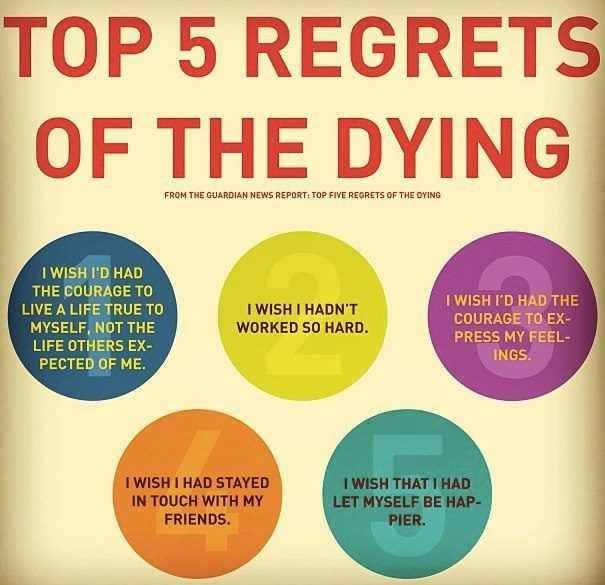
I come to the second of Wake Up World‘s

Top5RegretsOfTheDyingI discussed the first one here. What about the second?

Top5RegretsOfTheDying2No, that’s not going to be one of mine. True, I’ve worked hard. But I don’t think I’ve worked excessively. It’s good to work hard. Hard work brings satisfaction – especially when you enjoy your work. As long as you find time to relax, which I do.

How about you?

Categories
Uncategorized

Cumulative Songs

This subject came up recently because of Sue Barnard’s poem based on the cumulative song, The Twelve Days of Christmas, about which Wikipedia says:

“The Twelve Days of Christmas” is a cumulative song, meaning that each verse is built on top of the previous verses.

I had heard this song before, but I think I need to know more about it in order to understand Sue’s poem.

Nevertheless, it got me thinking about all the cumulative songs I know.

These are the ones I remember:

  • Green Leaves Grew All Around
  • Green Grow the Rushes, O
  • There Was an Old Lady Who Swallowed a Fly

And two songs we sing at the Passover seder:

  • Chad Gadya, a song in Aramaic that tells the story of one little goat.
  • Echad Mi Yodea, which, like Green Grow the Rushes, O, allocates an object to each number.

Apparently cumulative songs are popular with choirs because the words are easy to remember. I certainly remember the words of those Passover songs.

Do you have any favourite cumulative songs?

Categories
Social anxiety

Fighting the Stigma

Times have changed. If I ever thought about mental illness in my youth, it was in connection with “mental asylums” as they were called then.

Today, attitudes are very different, but there is still a stigma attached to mental health issues. That’s why I decided to add my story to a website called, “Stigma Fighters.” It’s an American site and they’re looking for donations that will help it become a non-profit organisation.

Many thanks to Ailsa Abraham for the link and endless thanks to Gill, who changed my life.