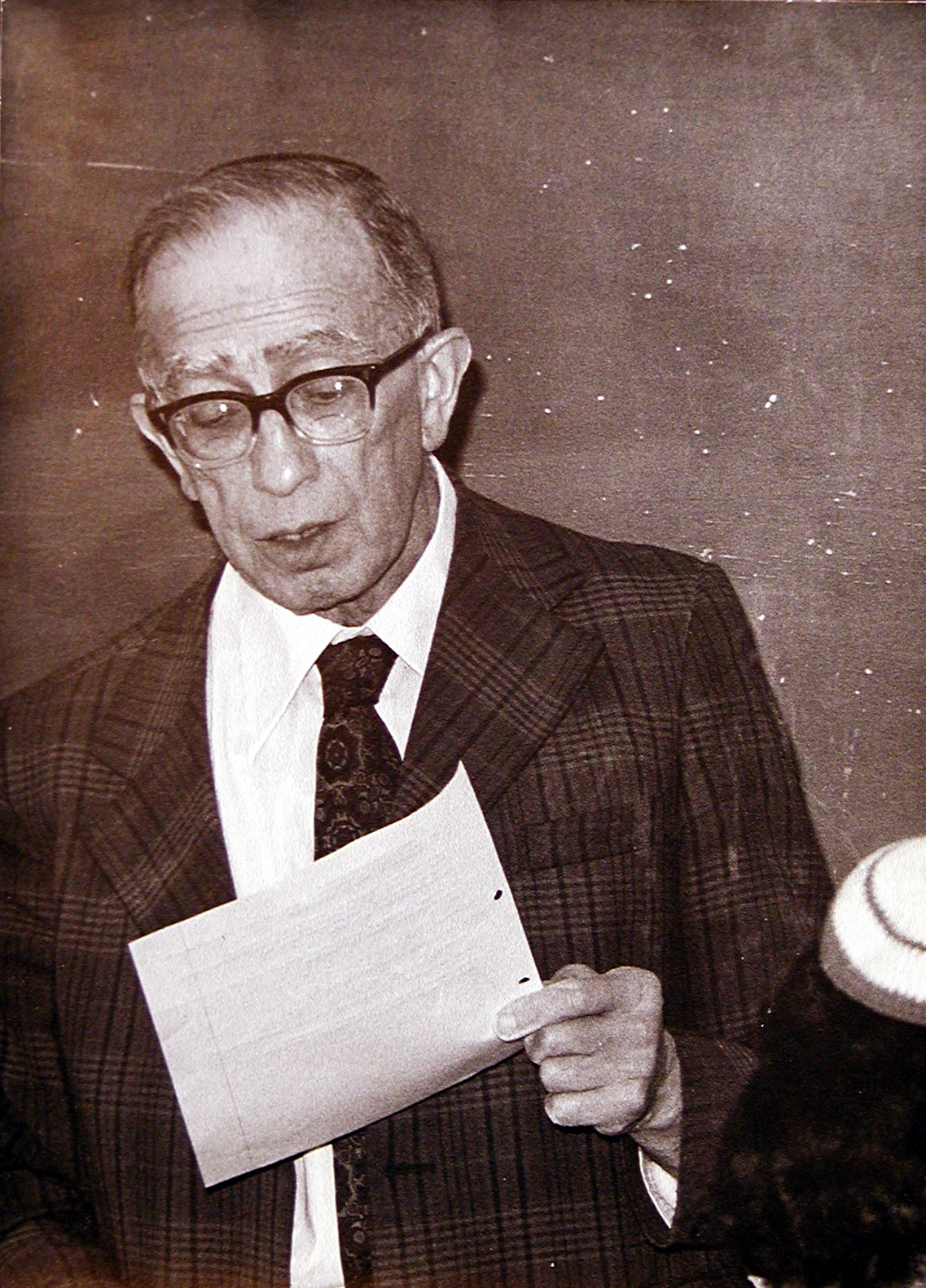
Writing about my childhood will necessarily include examining my relationships with my parents. With that in mind, I’ve been researching how to write about fathers. Here’s my summary.
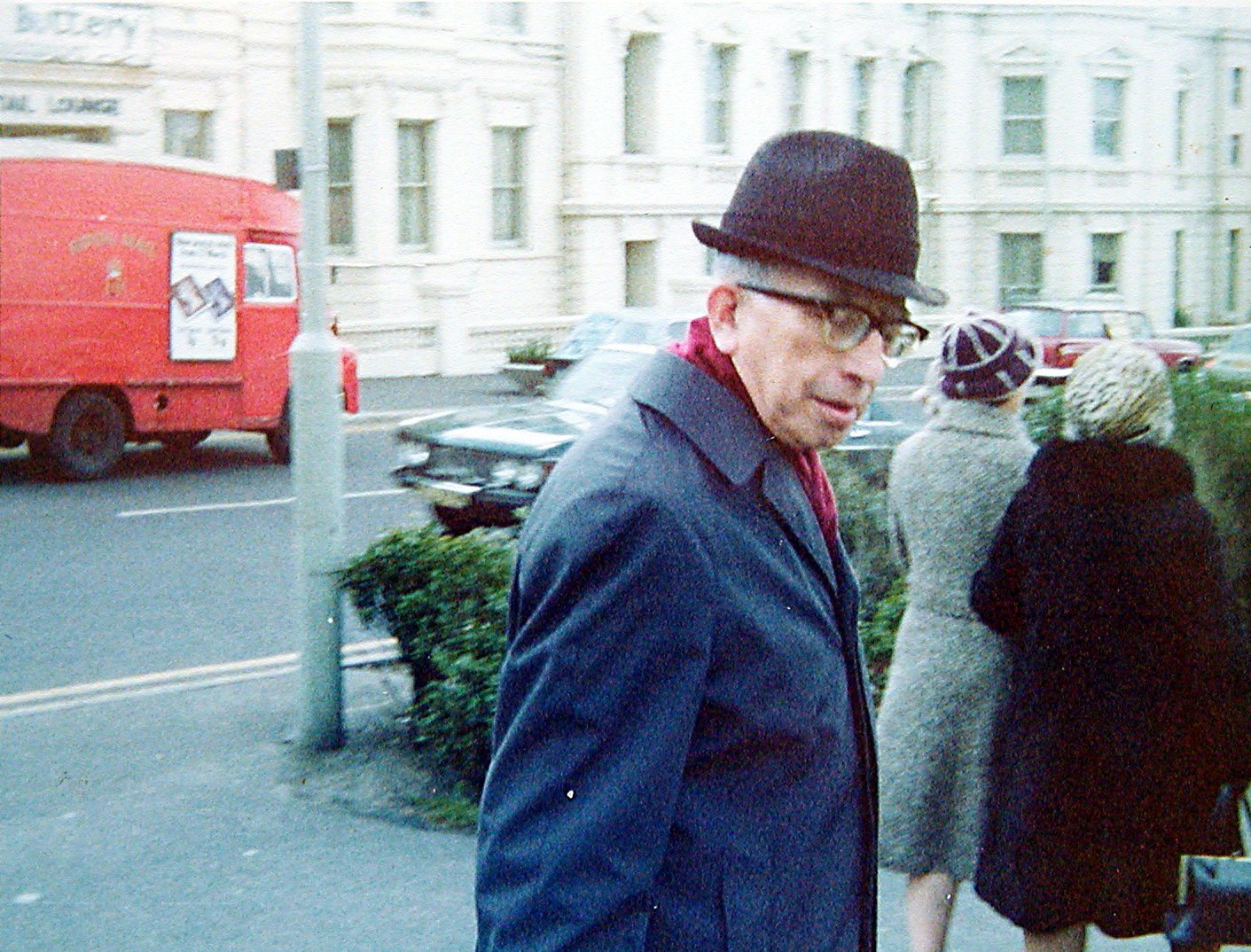
Nina B. Lichtenstein wrote:
Some of us grow up close with our fathers, some of us not. Others become estranged as adults or find a way back to closeness as the years go by. There can be love, play, alliances, respect, and deep connection in father-child relationships, but there can also be defiance, struggle, abandonment, secrets, and abuse. And then there’s regret. How do we write through and with and about regret?
Think about how this often-complex relationship can bolster or belittle us, challenge and reward us.
The Meaning of Fatherhood
We need to work out what fatherhood means to us, what values and qualities we associate with the role. It could be about providing guidance, support and unconditional love. It could be about being a source of strength.
The Three Ps
Provider, Protector and Permanence
Or: Protect, Provide and Preside
These are the three roles typically associated with fathers. Did your father fulfill these roles? Did you expect him to do so?
Four Types of Fathers
- Those who play an active part in caring for and raising their children from day one.
- Those who are bystanders, who leave parenting to women.
- Those who would rather wait until their children are older and relatively independent before they begin to play a role.
- Those who are unavoidably absent or excluded from caring for their children.
Which sort was yours?
Lessons Learned From Your Father
List the traits, beliefs and peculiarities that you have acquired from him. These might be positive or negative. Also, what negative patterns have you tried to reverse?
Duties
According to Oilgrow, these are the ten duties of a father within a family:
- Provider
- Protector
- Disciplinarian
- Emotional support
- Role model
- Mentorship
- Quality time
- Breadwinner
- Teacher
- Companion – love, companionship, and support
Do you agree? How did your father perform the duties?
Characters (not only fathers) in a Memoir
Steven B. Killion says:
You are not the most important character in your life story—it is the other people in your life who give it meaning and who make it interesting.
I don’t agree. Yes, the other people are important, but you are the most important character in your story. After all, you are the only one who appears in every single scene written from your memory rather than from hearsay.
Readers, please comment. Do you agree with the points above? Do you have anything to add?
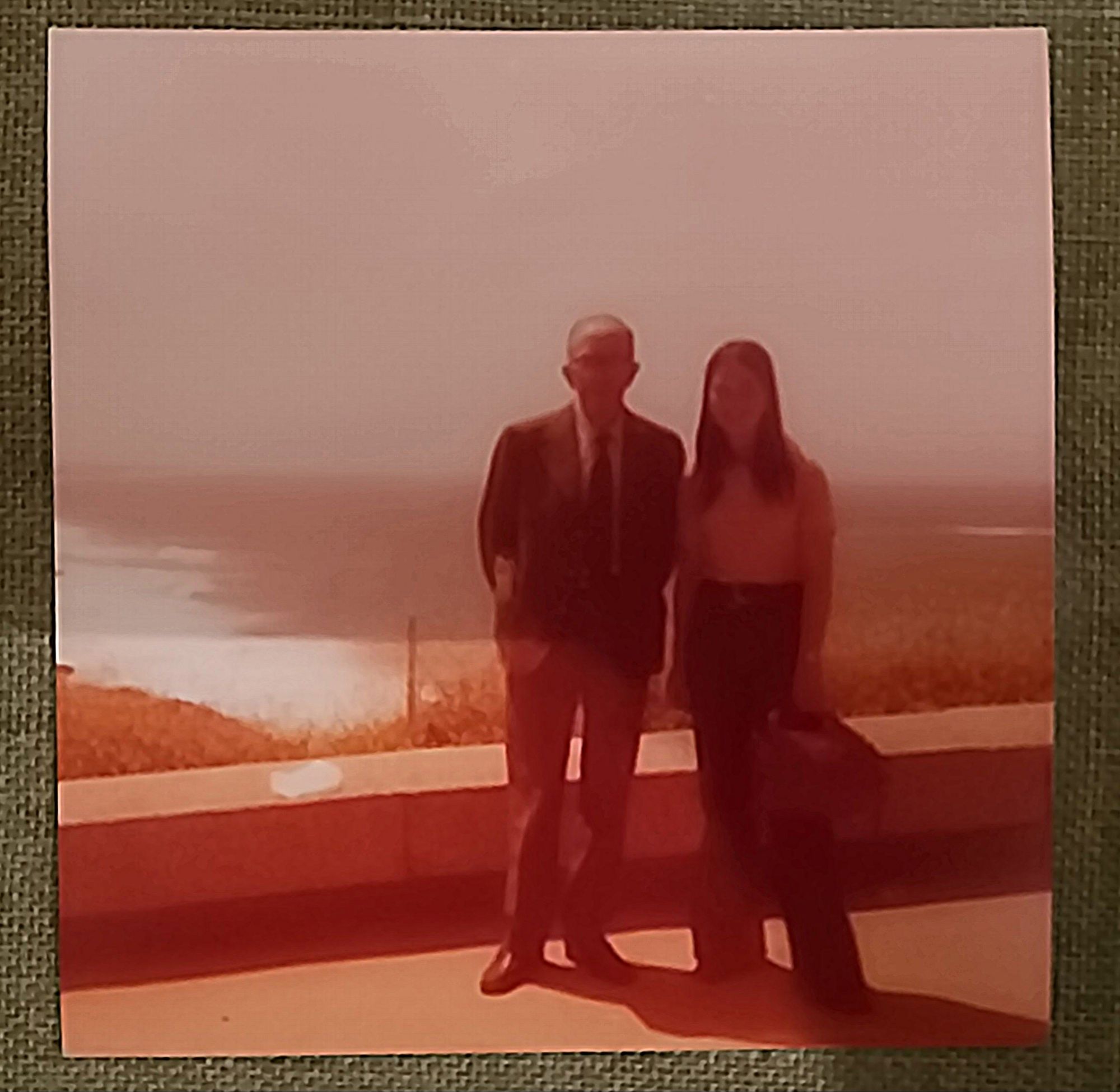
To end this post, I looked for a photo of my father and me. I found only one and well…

 Miriam Drori, Author