Here are four responses to my last post on writing about fathers:
Just write down your thoughts and feelings. I’m taking this one on board. I’ve been overthinking the writing part. I should write it all down and then decide what to include in the memoir.
Talk into a tape about the memories and use the recordings as a basis. This could help many people. I’m not so into talking. I prefer writing.
What about abusive fathers? It’s a valid point, or would be if I were planning a project on fathers in general and how to write about them. But actually, I’m planning to write about my father as part of my memoir, and my father wasn’t abusive.
The comment from Jean Davison is most helpful. It describes a situation that’s probably very common. As young children, we look up to our parents for love and protection and see only the good in them. But as we grow older, we realise the complexity of their characters and often disapprove in part. I think this can be particularly true of fathers. In the past, they were the breadwinners and also had more of an opportunity to escape responsibilities. The biggest challenge when writing a memoir is to decide what to include and what to leave out.
Writing about my childhood will necessarily include examining my relationships with my parents. With that in mind, I’ve been researching how to write about fathers. Here’s my summary.
Nina B. Lichtenstein wrote:
Some of us grow up close with our fathers, some of us not. Others become estranged as adults or find a way back to closeness as the years go by. There can be love, play, alliances, respect, and deep connection in father-child relationships, but there can also be defiance, struggle, abandonment, secrets, and abuse. And then there’s regret. How do we write through and with and about regret?
Think about how this often-complex relationship can bolster or belittle us, challenge and reward us.
The Meaning of Fatherhood
We need to work out what fatherhood means to us, what values and qualities we associate with the role. It could be about providing guidance, support and unconditional love. It could be about being a source of strength.
The Three Ps
Provider, Protector and Permanence Or: Protect, Provide and Preside
These are the three roles typically associated with fathers. Did your father fulfill these roles? Did you expect him to do so?
Four Types of Fathers
Those who play an active part in caring for and raising their children from day one.
Those who are bystanders, who leave parenting to women.
Those who would rather wait until their children are older and relatively independent before they begin to play a role.
Those who are unavoidably absent or excluded from caring for their children.
Which sort was yours?
Lessons Learned From Your Father
List the traits, beliefs and peculiarities that you have acquired from him. These might be positive or negative. Also, what negative patterns have you tried to reverse?
Duties
According to Oilgrow, these are the ten duties of a father within a family:
Provider
Protector
Disciplinarian
Emotional support
Role model
Mentorship
Quality time
Breadwinner
Teacher
Companion – love, companionship, and support
Do you agree? How did your father perform the duties?
Characters (not only fathers) in a Memoir
Steven B. Killion says:
You are not the most important character in your life story—it is the other people in your life who give it meaning and who make it interesting.
I don’t agree. Yes, the other people are important, but you are the most important character in your story. After all, you are the only one who appears in every single scene written from your memory rather than from hearsay.
Readers, please comment. Do you agree with the points above? Do you have anything to add?
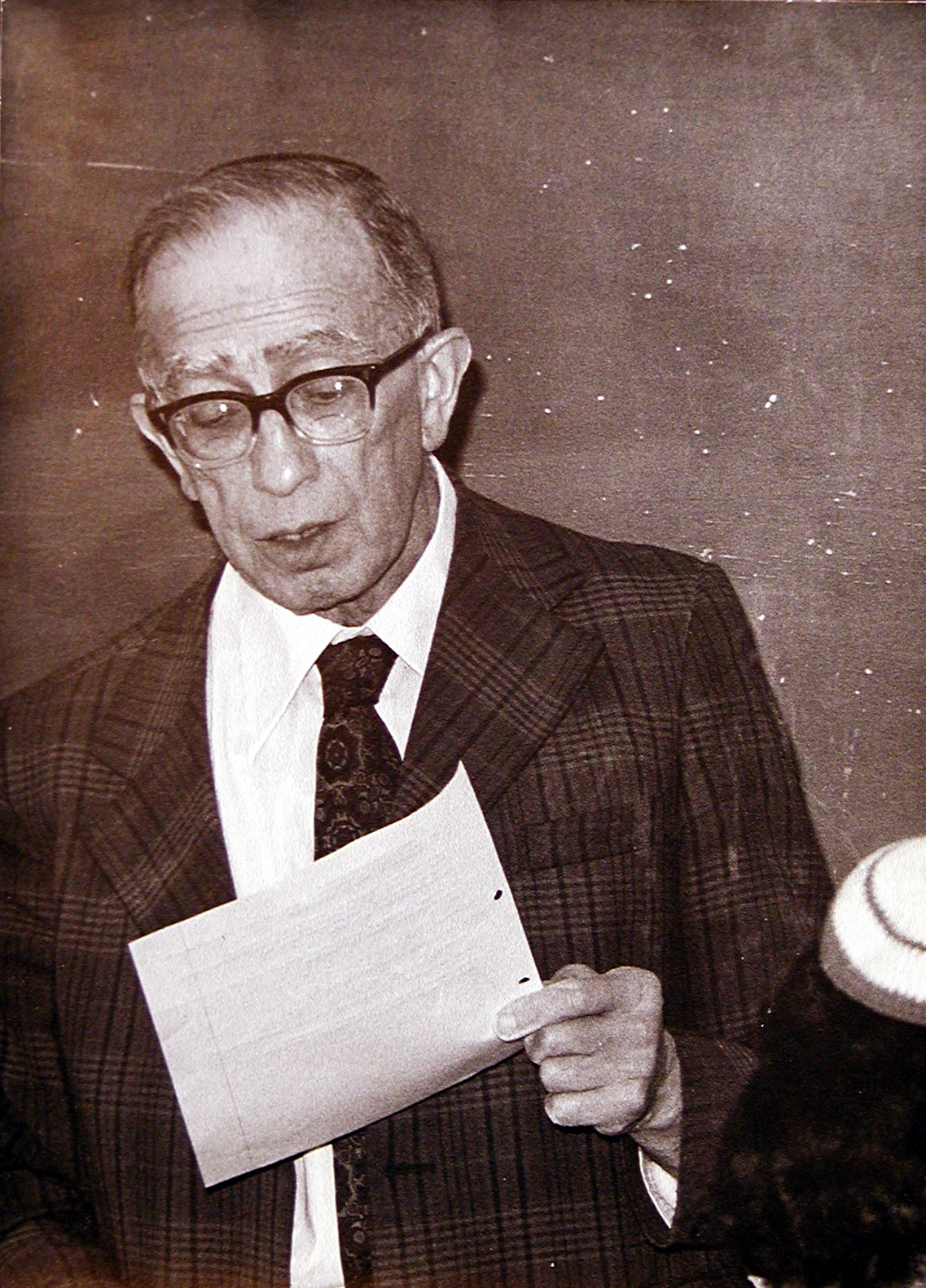
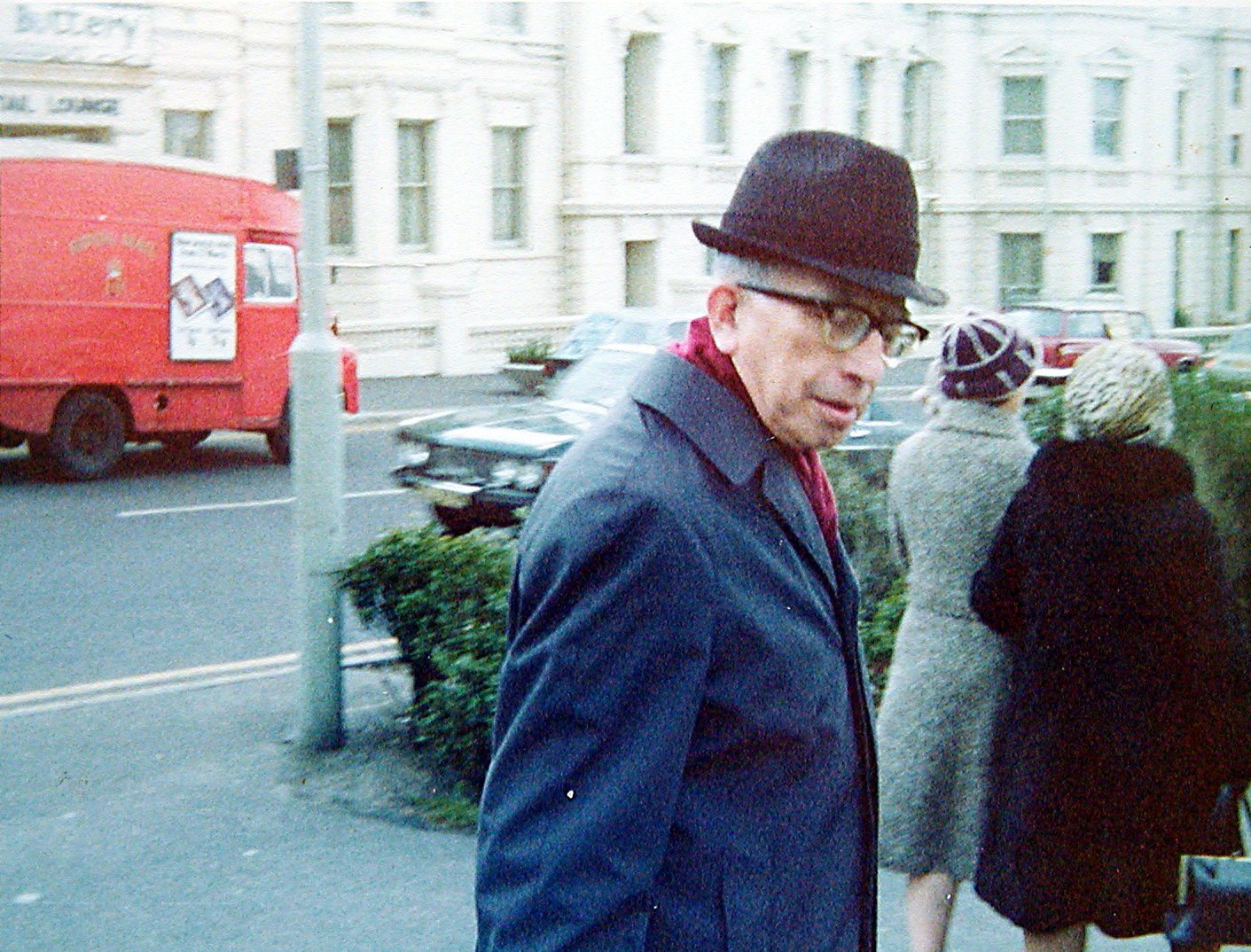
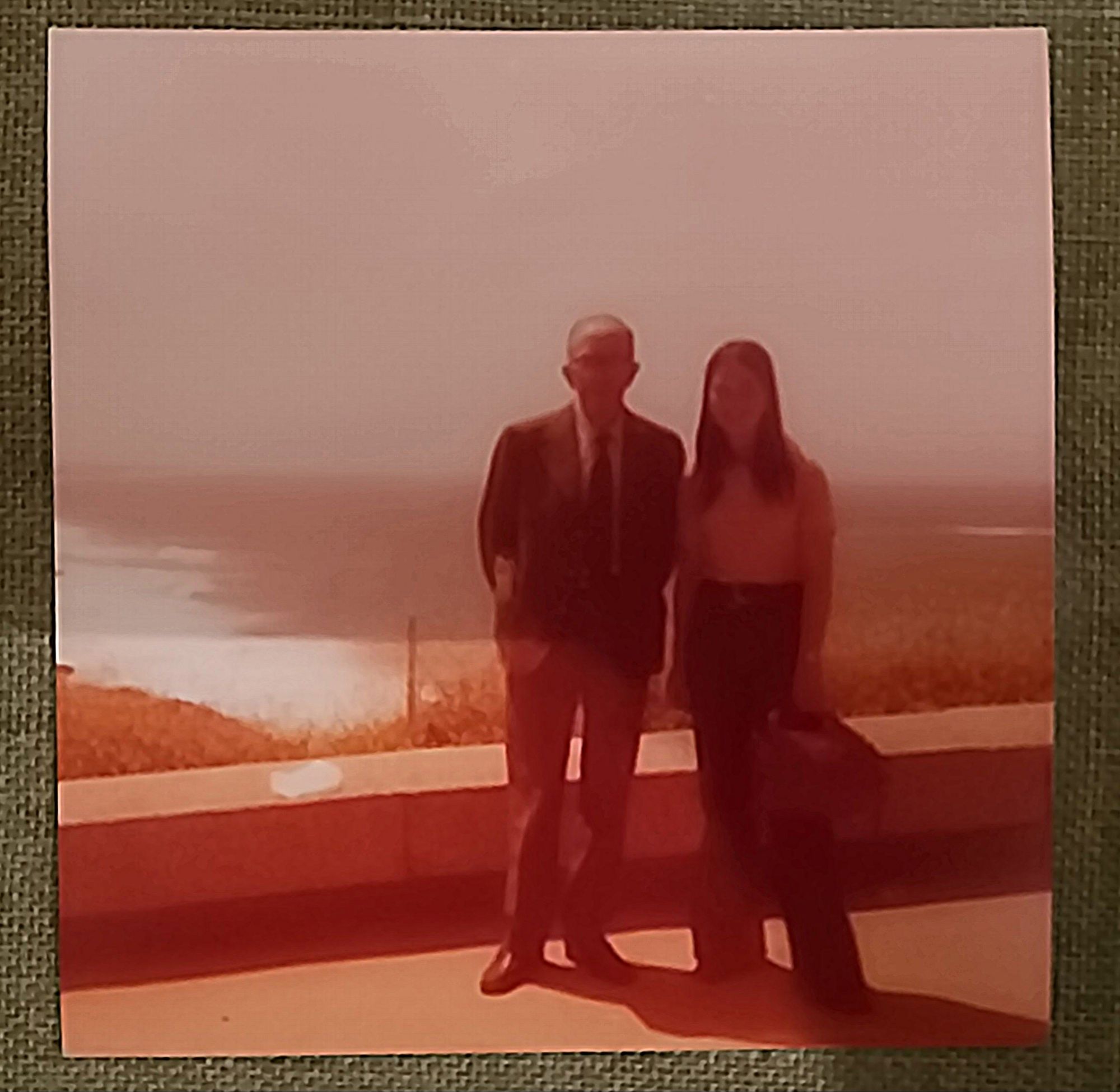
To end this post, I looked for a photo of my father and me. I found only one and well…
I’d been writing blog posts since March 23, 2009 – almost seventeen years. I used to have quite a few active followers. Over the years, I noticed my following dwindling until most posts gathered no comments and only a few likes.
Why was that? I think people were overwhelmed by content; I know I have been. Also, my content has changed. There is just so much new stuff to say about social anxiety. And anyway, just as I don’t want social anxiety to control my life, I don’t want it to control my output. There is more to me than that.
I saw that many people began to write posts on Substack and decided to jump on the bandwagon, starting on January 1, 2024. But I didn’t get many followers there either, and that’s probably because I didn’t promote myself enough. Besides, why should I spread myself thin?
So now I’m back to posting on my website with renewed vigour and fresh ideas. Also, thanks to world leaders and our Home Front Command, all my outside activities have been paused, giving me more time to write.
What Fresh Ideas?
Last month, I attended a writing retreat in the Trudos Mountains of Cyprus, led by a fabulous duo: Jennifer Lang and Sherri Mandell. I learned a lot about writing memoir and hope to produce one of my own. The first topic I want to research for that is: how to write about fathers. In my next post, I plan to bring you what I’ve learned on that topic. I hope some of you will have things to add.
“A memoir-in-miniature” says the front cover, the words hovering over a cardboard box, its flaps raised, inviting me to unpack it. Written on the side of the box is the author’s name, leaving me in no doubt about the contents within.
But I’m wrong, not about the overall goal of this book but about the way it’s presented. The chapters are short, flash-fiction style, and all the words have been chosen with care and precision, clearly requiring several rewrites. And not only that. The formatting is also special. There are words crossed out, tables and diagrams, short lines, indented lines, framed lines, columns, blank spaces.
I have to admit that, as a person who struggles with visual clues, I don’t always understand the reasons for all these unusual formats. But I’m certain there are reasons as I read the book, and even more so at the end when I read the book-club-type questions. “What do you think is the difference between her [Jennifer’s] use of strikethroughs vs parentheses?” For me, the answer doesn’t matter; what’s important is that reasons exist, proving that everything in this book was carefully thought out.
And yet, none of this interfered with my enjoyment of the memoir, my wish to discover how the story would continue and end. I wasn’t disappointed.
Rereading my review of a few days ago, I notice I didn’t even mention the love story the memoir tells, the differences of opinion between the two players in the story, caused by their different backgrounds and attitudes towards religion. It made me keep thinking: surely this is the part when they agree to separate.
Although the love story formed the whole plot, it was the telling of it that made this book special.
Places We Left Behind
“For anyone who has ever loved deeply and been willing to take risks for the sake of love.” Rachel Barenbaum author of Atomic Anna
When American-born Jennifer falls in love with French-born Philippe during the First Intifada in Israel, she understands their relationship isn’t perfect.
Both 23, both Jewish, they lead very different lives: she’s a secular tourist, he’s an observant immigrant. Despite their opposing outlooks on two fundamental issues—country and religion—they are determined to make it work. For the next 20 years, they root and uproot their growing family, each longing for a singular place to call home.
In Places We Left Behind, Jennifer puts her marriage under a microscope, examining commitment and compromise, faith and family while moving between prose and poetry, playing with language and form, daring the reader to read between the lines.
Jennifer Lang
American-French-Israeli hybrid; obsessed with identity, language, home, belonging
1995-today: Stories in BabyCenter, Parenting, Parents, Natural Solutions, Woman’s Day, Real Simple, Baltimore Review, Under the Sun, Barren Magazine, Quarter After Eight, Citron Review and on NPR
MFA in Writing from Vermont College of Fine Arts; an Assistant Editor at Brevity Journal
Yogini, practicing since 1995, teaching since 2003
IG: jenlangwrites FB: jenlangwrites
AWARDS for Places We Left Behind: *Finalist in Multicultural Nonfiction in American Book Fest’s 20th Annual Best Book Awards *Finalist in Multicultural Nonfiction in the IAN Book of the Year Awards 2024 *Gold Book Award Winner of Literary Titan
Today is Holocaust Remembrance Day in Israel. Since 1951, this day in the Hebrew calendar (one week after the end of Passover and one week before Memorial Day and Independence Day) has been set aside to remember the Holocaust.
At ten o’clock today, I stood on the roof and turned towards Yad Vashem, the Holocaust museum, as the siren sounded and the country stopped for two minutes.
I didn’t want this day to pass without posting something, so I’m going to list three excellent stories that I’ve read, all books containing horrific events but also optimism. After all, Holocaust memories come from those who survived.