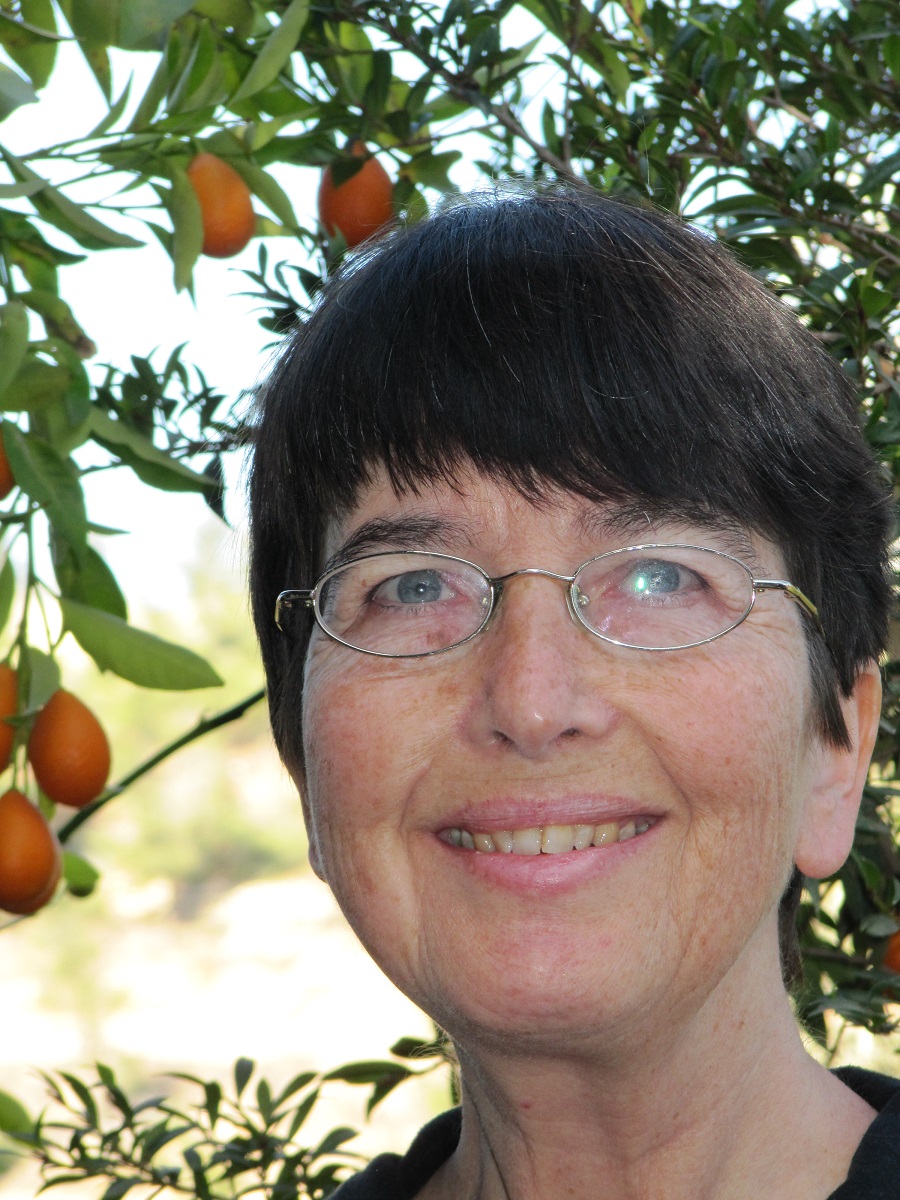
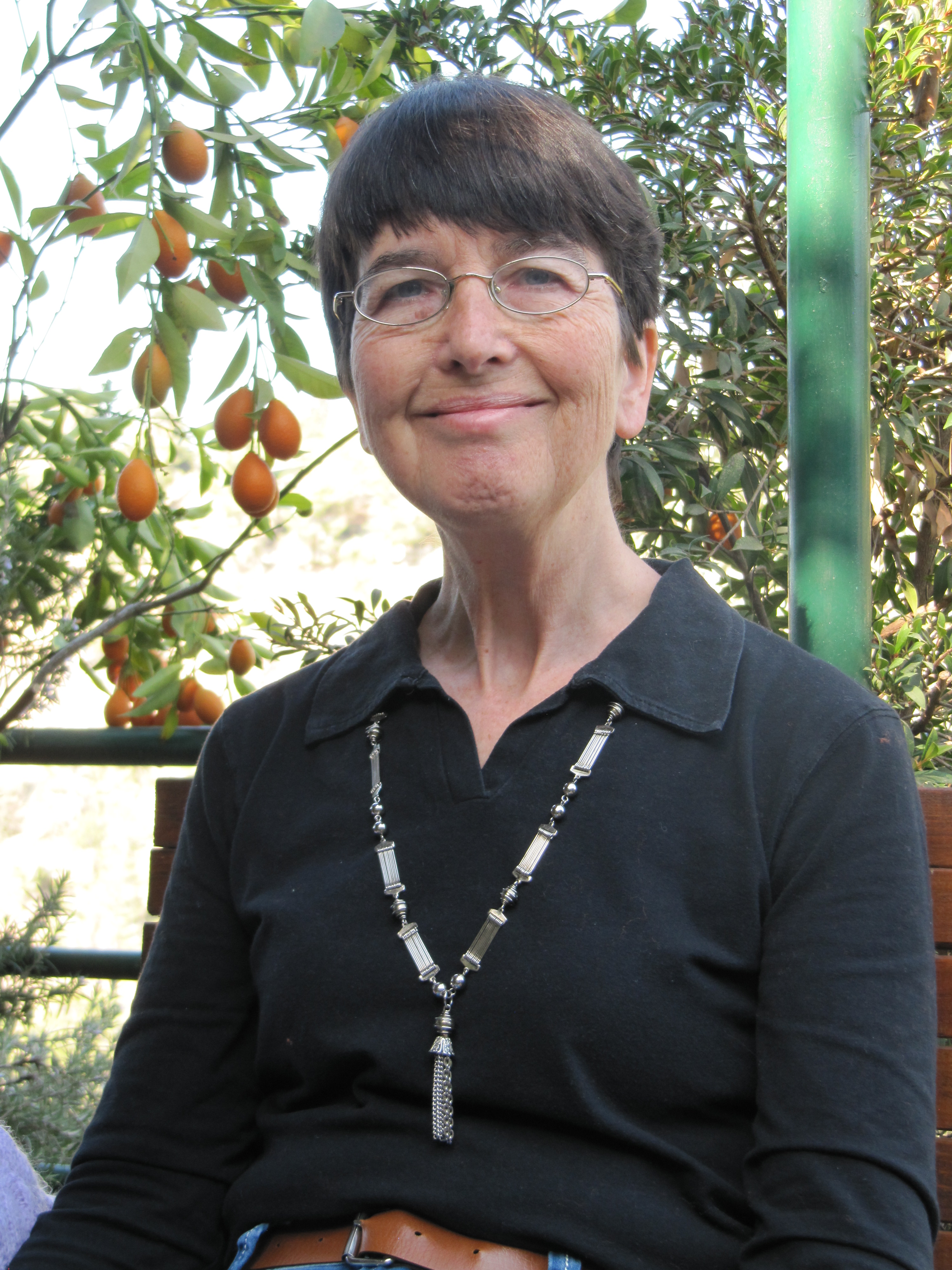
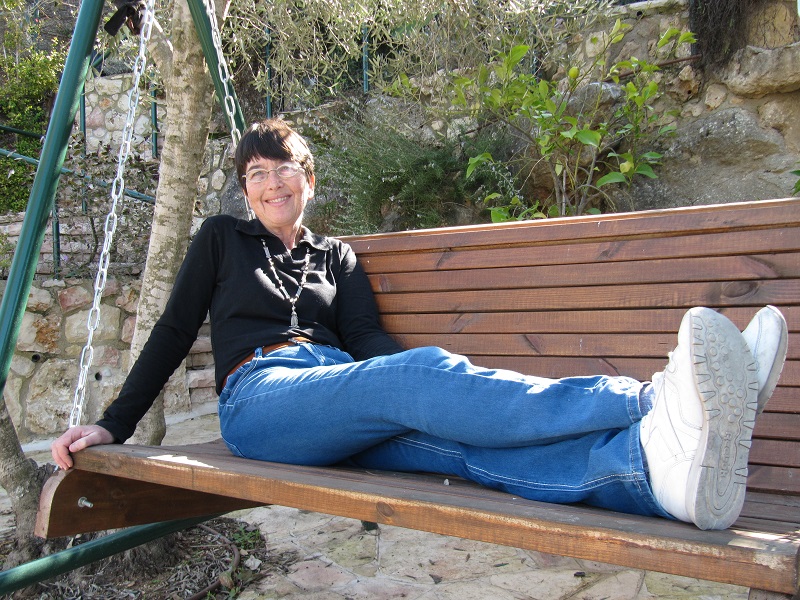
On our many trips abroad over the years, we have always been outsiders. Not so much in the UK, where most people don’t usually realise we’re not one of them, but most definitely in places like India, Ethiopia, Egypt and Japan, even when we dressed like the indigenous population.
India – Odisha – Bison Horn Maria village.
Dancing in Egypt
Ethiopia 2017: Wakonos Village.
We are Japanese, if you please.
In my childhood, I was an unwilling outsider. Like all children, I wanted to fit in but I never did.
However, my outsiderness was never as severe as Martin’s. He suffered in silence, learning behaviours that made life bearable as a child, but didn’t prepare him for being adult.
That all changed for Martin when he was sent to Japan to represent his company, not necessarily in a good way, although ultimately…
No, I won’t tell you the ending of Cultivating a Fuji, the new edition of which is out in one week: 19th January. You can pre-order it now from Amazon.
Nowadays, I’m happy to be an outsider. As an author, it’s helpful to get an outsider’s perspective. And I like being unique, rather than fitting some pattern. What a shame that children can’t see those benefits, or accept differences.
With the republication of my uplit novel, I’m posting an updated version of this post from 2019.
The marriage of uplit and Cultivating a Fuji.
What is UPLIT and why might it interest me?
If you look up uplit in a dictionary, you’re likely to find that either it doesn’t exist or it’s the past of the verb uplight: to illuminate from below. But google it and you’ll find uplit or up lit is a genre people are starting to talk about. And to read.
Possibly, there is a connection between those two meanings of uplit. It’s about lighting the world from below, from the ordinary people, rather than having to endure spotlights from above.
An uplit novel is one of kindness, compassion and empathy. But it doesn’t sugar-coat the world; it’s “about facing devastation, cruelty, hardship and loneliness and then saying: ‘But there is still this,’” says author Rachel Joyce. Uplit novels are books that embrace difference, idiosyncrasy and those who are either marginalised or overlooked by society.
Uplit is about broken people who become fixed. Three examples are:
Eleanor Oliphant is Completely Fine by Gail Honeyman
Three Things about Elsie by Joanna Cannon
A Man Called Ove by Fredrik Backman
Uplit gives us readers control. It makes us realise that we can change the world – not the politicians, the dictators or the superstars, but people like you and me. We can make the world a better place, each in our own small way, and the more of us who do it, the greater effect it will have.
Uplit helps us to develop empathy for marginalised groups: immigrants, LGBTQ people, people with disabilities or mental health problems. Sadly and weirdly, another group often labelled as marginalised is women. How can a group that consists of slightly more than half the population be marginalised? Yet, it is.
My novel, Cultivating a Fuji, to be republished through Ocelot Press on 19th January, focuses on a marginalised character who doesn’t have a voice, at least not a spoken one. He is not able to explain how or why or who he is. And most people naturally fail to understand and simply label him as weird. Fortunately, a few of those he meets attempt to delve deeper, to reach inside his fortified exterior, and they are the characters who give the novel its uplit flavour. He is the only person who can turn his life around, but he needs those kind, understanding characters.
An island in Switzerland.
“No man is an island entire of itself.” ~John Donne
If the novel helps to create more empathy in our fragmented world, I will be delighted. But most of all, Cultivating a Fuji is a good story. When I first wrote this post, I had to say that myself. Now I can quote from the reviews. Here are a few:
At the end of this post, there are bargains for you.
Most of what I know about Christmas comes from singing Christmas carols at school. The one I liked best (for the tune and the change of tune for the third verse) is called Three Kings from Persian Lands afar.
This carol was also useful when I studied music, because its first interval is a major sixth.
That was when I heard (and sang) about three kings who brought gifts to the “newborn king of the Jews”.
Now I hear that this took place on Twelfth Night, and that’s why Ocelot Press is holding a Twelfth Night Sale of ebooks.
Style and the Solitary is just one of those books, all of which can be found on Amazon – individually or by searching for Ocelot Press. Here are the others:
Saturday night folk dancing sessions in Jerusalem are run by Ofer Alfasi.
Ofer is very talented and diligent. He knows all the dances very well. He invests a lot of effort, demonstrating from the centre of the circle and watching to make sure we’ve learnt properly.
But he’s not good at blowing his own trumpet. He’s reticent about introducing the dances he choreographed. Fortunately, another Ofer, who also has a dance to his name, has been championing the first Ofer’s dances recently, and they’re really good.
I’m no better at blowing my own trumpet, but I need to say this, so please forgive me:
I recently reread my novel, Cultivating a Fuji, making very minor changes to it. And as I read it, I realised how good it is, and how much I’d love it to be read widely, firstly for enjoyment – the story mixes poignancy, humour, sadness and hope – and also to increase understanding in our crazy world.
Apparently, this was my Facebook profile pic on this day in 2014.
To me, now, it looks as if I forgot to comb my fringe (bangs?). There are some better pics taken later that month.
Well, I’m not planning to change my profession to model of a certain age. But 1st January 2014 is significant because it’s the day I had my hair cut short, hoping for further changes that year. And they came, starting with a publishing deal with Crooked Cat for my romance novel (currently unavailable), Neither Here Nor There.
As I wrote to a friend on Facebook, that was the day when I shortened my hair and lengthened my expectations.
Do you have a significant first of January? Maybe yours is happening as I write. Do tell. And…
HAPPY NEW YEAR!
Watch out for my next post, which will be about an uplifting story.
My job was to announce the occasion on social media and respond to well-wishers, as well as sharing various guest posts that bloggers had kindly posted for me.
I did just that – in the morning. And then, after lunch, I went to Tel-Aviv. Why on earth…?
The publication date had been fixed for 27th October when our musician daughter asked if we’d like to go to a birthday performance by singer Ronit Shachar, held in a garden in Tel-Aviv. We couldn’t turn that down – we knew it would be good. Besides, I reckoned that after spending the day with my novel, it would be all right to go out in the evening.
Daughter got the tickets for the four of us. Then there was a suggestion that as we were all going to be in Tel-Aviv, we could meet earlier and do other things. We ended up meeting in Yarkon Park, where we went for a longish walk, then walking by the sea around sunset and eating some delicious vegan food in a restaurant called J17.
The concert, which also included other performers like Corinne Allal, was excellent and even worth the cramped seating on damp fake grass. And the proceeds went to an animal sanctuary.
After the performance, we had to collect a rather large electric piano which was hard to fit in our van. It was after 2 a.m. when we returned home.
Fortunately, I didn’t have to do the driving, and I spent the journeys trying to catch up with all the kind posts and comments about my book launch.
On the subject of blog posts, here’s what I’ve written about various aspects of Style and the Solitary:
Style and the Solitary has come out of its temporary hiding place and is sitting proudly on Amazon, where you can pre-order it ahead of its 27th October release.
This is edition 2, with small improvements but still the same story. The next novel in the series will follow.
There will also be a paperback of Style and the Solitary. I’ll let you know when it’s ready.
No one can work entirely alone. We all have friends, colleagues, partners in crime. Even authors, whose work is notoriously solitary, get advice from other authors and eventually connect with agents, publishers and readers.
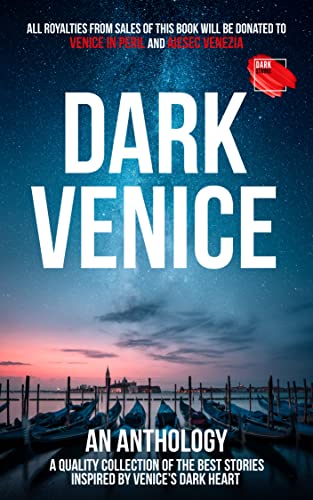
That’s the message of my story, Teamwork, in Dark Venice, the new and wonderful anthology of short stories from Darkstroke.
Image by Sasin Tipchai from PixabayOriginal image by Gerd Altmann from Pixabay
The two women in the story are thrown into a situation where their only chance of extricating themselves lies in pooling their abilities.
Image by Ramon Perucho from PixabayPhoto by David Drori
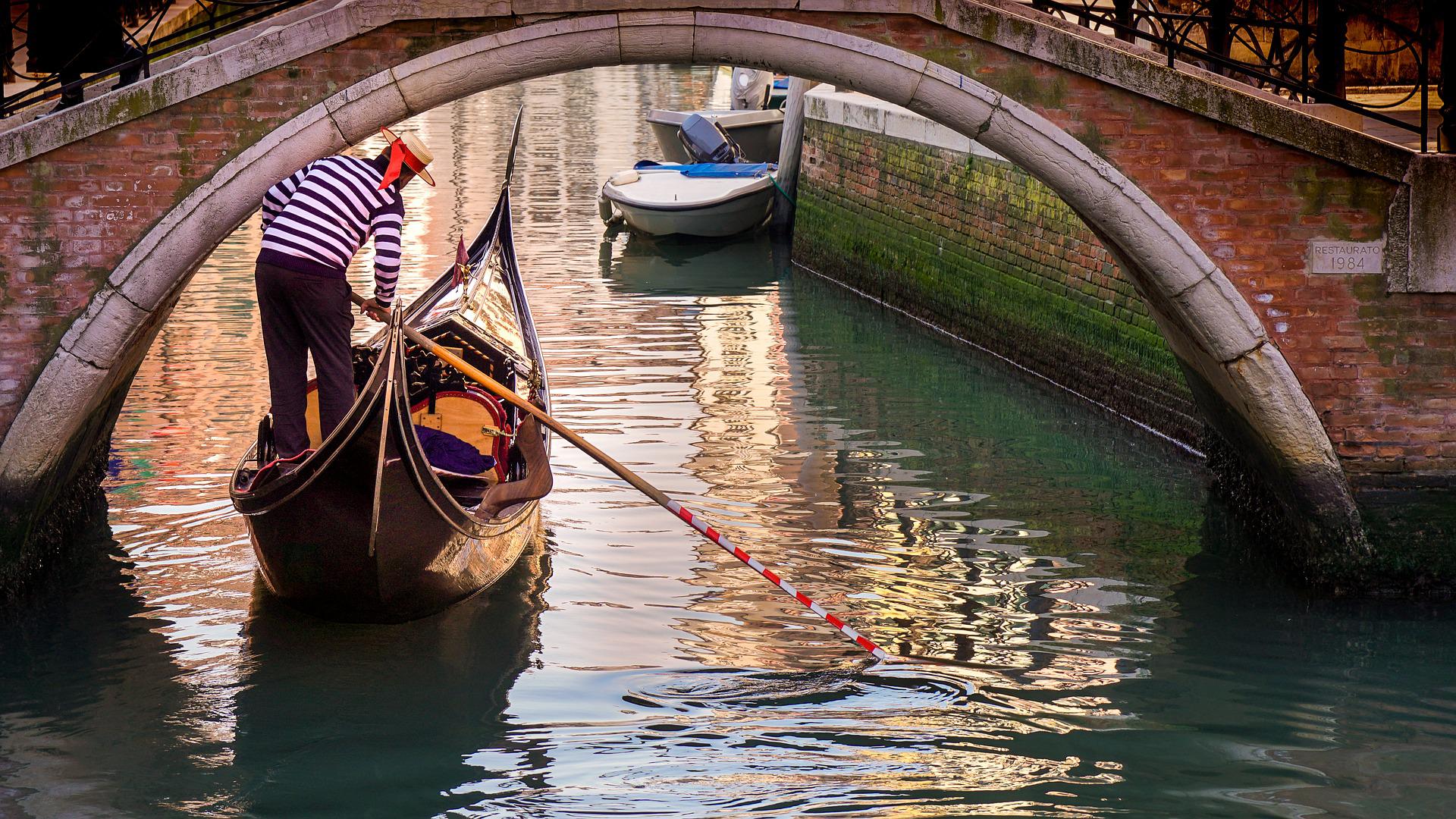
I have visited Venice three times. It’s a unique and fascinating city. If you haven’t been, I highly recommend going there. And in the meantime, read these dark and delightful stories. Click on the link.
Still here? Read some hints of what you can find in the book.
Anna Legat Veni Vidi Perivi
Hundreds of years from now Venice has sunk to the bottom of the sea but it is still capable of seducing a random traveller with its hypnotic charm. And there is a price to pay for feasting on its beauty.
Anne-Marie Ormsby Night Call
A young woman searches Venice after dark when her best friend disappears, but the investigation is haunted by disturbing calls from the missing girl’s mobile phone.
Cathie Dunn The Girl in the Lagoon
In the early 20th century, when fascism is gathering support across northern Italy, the discovery of a young woman’s dead body in a lagoon reveals a sinister plot way beyond Francesco di Luca’s imagination.
Christopher Stanfield A Rose By Another Name
Reunited with her best friend Cindy Nix, notorious serial killer Apple Rose settles in the beautiful city of Venice. But a specter from the past returns and it won’t be long before they have to reckon with a bloody choice made long ago.
Cory Maddalena And Venice Slept
While on her honeymoon in Venice, a young newlywed navigates the city’s winding streets and canals. The last thing she expects is to be haunted by an insidious entity known only through folklore as the poverella.
Donna Cuttress The Tarot Reader
A Tarot card reader reluctantly becomes involved in deception, smuggling and murder.
GJ Scobie The Inference Machine
While in Venice celebrating their twentieth wedding anniversary, Greg leaves Sally to spend an afternoon by herself in the Leonardo Da Vinci Museum, where a mysterious invention reveals secrets about her marriage she had never dared to contemplate.
Jenna Morrison Devil’s Town
For years, Venice Harbor has been rumored to be cursed, and it is now known as Devil’s Town. An epidemic hit the island and Doctor Harvey Hardy is chosen to treat the natives of Devil’s Town; however, strange things begin to happen as soon as he arrives, which ultimately places his life in jeopardy.
Linda Conn Amstutz Enough
When you have experienced this kind of love, nothing, not even death, can change it.
Mary Kendall Paradiso Perduto
Simone stumbles upon a couple violently fighting in a dark Venetian alley one night which triggers haunting and painful memories best left forgotten. Can she reconcile the woman she has become with a younger self who had been brimming with brazen moxie and big dreams?
Miriam Drori Teamwork
Two women – a British pianist and her Venetian tour guide – are only just getting to know each other when calamity strikes. Neither can extricate them from the situation alone, but together there might be a chance.
Ross Alexander State of Love and Trust
A restaurant owner with a troubled past plans drastic actions to prevent a troubled future.
Sue Barnard La Serenissima
A young writer travels round Italy in search of inspiration for his work. On arriving in Venice, what he finds will change his life for ever.
In another month or so, my murdery mystery, Style and the Solitary, will be republished under the Ocelot Press banner.
I thought this would be a good time to tell you what the novel is about, tweaking a post I first wrote for friend and author, Jo Fenton.
NathalieAsaf
Belief in Another Person
The story of Beauty and the Beast was first written in 1740 by a woman called Gabrielle-Suzanne Barbot de Villeneuve. It wasn’t intended as a children’s fairy tale, but rather as a tale with a moral. It is Beauty’s belief and love for the Beast that turns him back into a prince. Similarly, Nathalie’s belief in Asaf will help him in his attempt to become the person he was meant to be.
The similarity of my novel to Beauty and the Beast is, of course, the reason for its similar title.
Loners
People who shun society are considered strange by the rest of society. Sometimes, they might even be thought dangerous, due to a tiny minority of loners who have turned to violence. This gives vulnerable people, who probably only chose to live their lives alone because of bad experiences, less of a chance of ever returning to society.
Friendships
We all need the help of friends. Nathalie gets her two flatmates on board to help her solve the mystery. Other friendships crop up in the story. Even Asaf, the “loner”, acquires some friends, eventually.
Immigration
The process of fitting into a new place can be long and difficult, especially when it involves a new language and culture. Nathalie has some advantages. She’s young, sociable and good at languages. Still, she struggles sometimes, and also misses her family and her home town of Strasbourg. Jerusalem’s Mahane Yehuda Market brings a bit of France to her.
StrasbourgFrench and other cheeses in JerusalemBaguettes and other bread in Jerusalem
The Law and its Failures
I was moved by a documentary I heard once, in which a woman wanted to testify against her rapist, but found herself struck dumb when standing in the witness box. Asaf is similarly worried about being tried in a court of law. He thinks he’ll find himself incapable of answering questions in such a setting. He’s probably right.
I do think laws fail to protect those who can’t speak or who freeze in certain situations.
Jerusalem
Why is the setting a theme? When I wrote my first novel set in Jerusalem (Neither Here Nor There, currently unavailable), I was worried people wouldn’t be interested in it because they’d expect a story set in Israel to include war and conflict. I was glad to be proved wrong; the book sold well and was appreciated. Yet, with this current novel, perhaps due to the timing, I’ve had questions like, “I wondered if you were deliberately setting out to show Jerusalem as a modern ‘Western’ city compared to the views we normally see on TV, or just reflecting life as you live it.” My response is that it absolutely reflects life as I live it and as most of the residents live it. People go about doing normal activities and talking about normal things. On the TV, they like to show everything in a different light. They seek out extremists and do all they can to exacerbate conflict. But even those extremists do and say normal, mundane things most of the time. And the rest of us go about our normal lives as much as we’re allowed to, which is most of the time.
I’m not suggesting murder is normal. But this murder is not the sort of abnormal you might expect from Jerusalem.
Secrets
Many stories thrive on secrets and Style and the Solitary is no exception. But I won’t reveal any secrets here. You’ll discover them when you read the novel.
What would Asaf think of the book?
Asaf would consider himself unworthy of having a story written about him, just as he feels unworthy of having Nathalie in his life. He blames no one but himself for his woes. Being suspected of murder is admittedly unfortunate, but anyone else would have succeeded in clearing all suspicion long ago.
The new Style and the Solitary will be out soon. Watch this space.
The Strasbourg image is by Monika Neumann from Pixabay. Nathalie’s photo is by Andrea Piacquadio and Asaf’s is by fauxels.
And you’d be right. I’ve been quietly busy and remiss in telling you about:
Ocelot Press
Dark Venice
Following the Lead
Ocelot Press is a co-operative of independent authors, and my series of Jerusalem Murder Mysteries will be published through them, starting in a few weeks with Style and the Solitary. You can read more about Ocelot Press here. I’ll be posting more about the novel.
Dark Venice, the next in the series of charity anthologies of dark stories from Darkstroke, will be published on 1st October. My story is called Teamwork. I’ll be posting more about this.
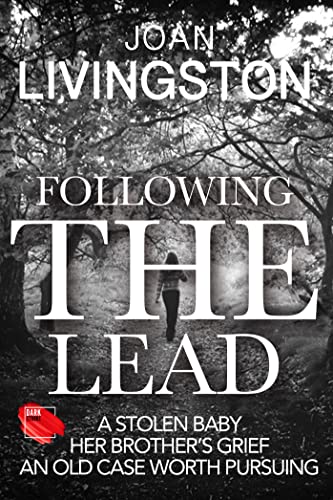
Following the Lead is the next in the Isabel Long Mystery Series by the accomplished author, Joan Livingston. I had the pleasure and honour of editing it. In fact, I edited all the novels in this series and thoroughly enjoyed the process. I love these stories and I’m sure you will, too. Five are available on Amazon (just search for her name). Following the Lead is due out on November 3rd and ready now for pre-order. You can read more about it here on Joan’s blog.