Author, editor, attempter of this thing called life. Social anxiety warrior. Re-Connections, a collection of short stories, published with Ocelot Press, 15/10/2025.
I’m delighted to welcome back novelist and poet, Tim Taylor, to tell us about his new collection of poetry, due out in two days.
Hello Miriam, thank you so much for inviting me onto your blog today. I’d like to share a poem from my second collection, LifeTimes which will be published shortly by Maytree Press.
LifeTimes is a collection of poems about human life: its phases, from birth, through childhood, adolescence, adulthood and middle age to the final years and beyond; and its pivotal moments: the shifts and connections between one phase and another, and the events that can change its course irrevocably. These themes are explored from a wide range of perspectives and through different forms and styles of poetry. Here’s an example:
Childhood
There is an art to being a child: to play heedless of consequence, learn without toil, love without possession. Skills we gather, unaware how fine a garment we are weaving for ourselves.
Yet, at the moment of perfection childhood becomes an old shirt that no longer fits, stained with poster paint and play-dough. Embarrassed to be seen in it we can’t wait to put on cooler clothes, anoint ourselves initiates of a world we don’t yet understand. How comical it seems, from here, this casting off of consummate childhood for cack-handed adolescence: neither one thing nor the other.
There is a point to this – the world cannot be run by children – but it still hurts to see the beauty of the life we threw away only when we are, once and for all quite different people. What use then for a worn-out shirt that once belonged to someone else?
For any interested readers who happen to be in the north of England, I will be holding a launch event at Marsden Library, Peel St, Marsden, Huddersfield HD7 6BW at 7.30pm on Thursday 28 April – all welcome! I’m also reading at the Stag Café in Canterbury, 7pm Thursday 21 April and at Attic Stories, Lawrence Batley Theatre, Huddersfield, 7.30pm on Monday 25 April. Signed copies of LifeTimes can be ordered from the author at BOOKS | tetaylor. The book will also be available via Maytree Press and on Amazon.
Tim Taylor writes fiction and poetry. He has published two novels, Zeus of Ithome and Revolution Day, with Crooked Cat and a poetry collection, Sea Without a Shore, with Maytree Press; a second, LifeTimes, will be published in March 2022. His poems and stories have won, or been shortlisted in, a number of competitions and appeared in various magazines (e.g. Acumen, Orbis, Pennine Platform) and anthologies. Tim lives in Meltham, West Yorkshire, teaches Ethics at Leeds University and enjoys playing the guitar and walking up hills (not usually at the same time).
Not me, of course. I left that age long ago and am happy to say, “Good riddance.” It wasn’t a good time, although there were often good moments.
I need to remember that. We – I and my possible memoir partner – have come to the conclusion that the difficult parts of our childhoods are easier to remember. They stick in our memories, while the happy times pass with enjoyment and laughter. They’re not so clingy.
Is that how it is for everyone? Do you remember the sad times more than the happy ones? Or perhaps we all have a general impression of how things were, and need to dig deeper to remember episodes that don’t fit the mould.
So, who is thirteen today? Wrong question. It’s not who but what. On March 23, 2009, I posted this:
Speech is Silver; Silence is…
…not golden. Just a fake gold that soon dulls. Like the necklace I bought in Cyprus. They told me it was gold. I knew they were lying, but I bought it anyway. I felt I had to buy something because they gave me tea….
I’ve been keeping silent for most of my life. It’s time to talk.
So tune in again, keep in touch and don’t suffer in silence.
I was afraid when I wrote that first blog post. On one hand, I knew it would help to feed my growing passion to raise awareness of social anxiety. On the other, I was scared of a backlash. Even in those days, social media was a double-edged sword. I was afraid anonymous people would tell me social anxiety didn’t exist – that it was a made-up term and the problems were not real, either. That’s why I had no name at first, except for the name of the blog: An’ de Walls Came Tumblin’ Down.
Fortunately, the feared ridicule hasn’t happened – not yet, not on social media, I’m glad to say.
Looking back at the person I was then, across the long bridge of thirteen years, I feel proud. Plenty has changed. I’ve become a published author, I’ve delivered talks, I’ve grown in confidence. I’ve also become a grandmother, met lots of people in various settings, and travelled widely.
I’m still walking that bridge and probably always will, but it feels less of a struggle, these days. I’ve accepted that social anxiety is here to stay and learned to make friends with it.
Crossing a river during a hike in Norway, 2001
How about you? How have you changed in the past thirteen years, and do you tend to remember the sad parts of your childhood more than the happy ones? Do let me know in the comments below.
I’m delighted to welcome author Helen Matthews back to my blog. She’s going to tell us about a complex story with three plots… I may have got that wrong, but here she is to explain all.
Yes—oh dear yes—the novel tells a story.
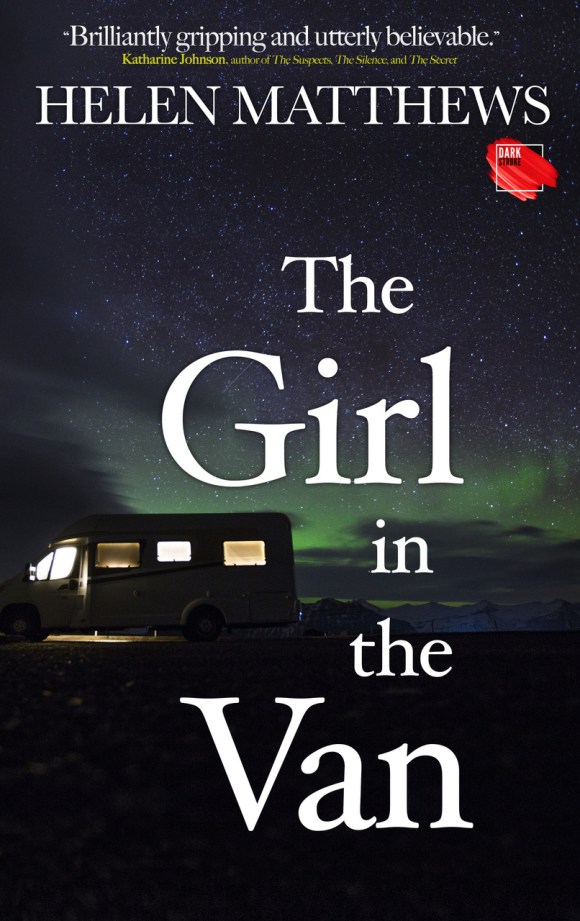
That’s a quote I remember from my university days reading English. It’s from E M Forster’s Aspects of a Novel (1927). Forster goes on to give examples about the difference between story and plot. Plot needs an inciting incident and causality and a suspense novel, such as The Girl in the Van, needs extra ingredients. Complex characters to give it spice; a pinch of twists; a ladle of settings and a heaped tablespoon of time shifts to mix everything up.
But while we’re cooking up a plot, we mustn’t neglect story. While editing The Girl in the Van. I noticed how the characters’ stories were multi-layered and inter-locking. Some stories were true, and others were not. Some were full of missing pieces that had to be unearthed by the characters (or guessed by the reader) Some stories differed, depending on whose point of view we were following. All these stories were on a collision course towards jeopardy and huge danger for the characters. I imagine the hidden stories, nested like a Matryoshka (those wooden Russian dolls) inside one another, waiting to be revealed.
The Girl in the Van is a twisty page-turner with serious themes at its heart. The strapline is: A tormented mother, an abandoned girl, a deadly game of survival.
There are three interwoven plots (Laura’s story, Ellie’s story and Miriana’s story) and to begin with there’s some necessary confusion about which of them is ‘the girl in the van’. Perhaps there is more than one girl (or woman) in the van at different times. The main narrative is from the viewpoint of Laura, a former teacher, who’s lived a solitary existence since a life-changing event involving her sixteen year old daughter, Ellie. Escaping from Wales to London, Laura cuts all ties with her partner Gareth (Ellie’s father) and refuses to tell anyone her new address. For two years she struggles on in a mundane job before making an attempt to re-join the world. She buys an old campervan and joins a group holiday at a campsite in Tenby. Here, Laura’s path crosses with Miriana, a teenage girl who bears an uncanny resemblance to Ellie. As Laura discovers more about Miriana’s story – and who knows if that story is true? – chilling parallels to her own life emerge. Laura’s life is at risk because someone out there is determined to stop the truth about what happened to Ellie coming out.
The book poses the question: What happened to Ellie? Her mother, Laura, believes she knows but has blocked the story from her mind and doesn’t want to think about it. Her former partner, Gareth, (Ellie’s father) has exactly the same information as Laura but reacts differently. Refusing to accept it, he’s on a mission to investigate further. As Laura says: ‘He was like a vulture scavenging on roadkill, picking over every detail’.
Ellie’s story forms the scaffolding of the book and gradually unfolds as the stories progress.
When Laura leaves Wales and moves to London, she cuts herself off from everyone she knew in her old life, refusing to tell even her mother her new address. But why? Is it because her mother is close to Gareth and Laura can’t trust her not to reveal her whereabouts?
A further twist in Laura and Gareth’s story is the harassment they’ve suffered at the hands of the gutter press and social media. Like some real-life families we’ve heard about, at a time of crisis, they lost the support of their community because some people chose to believe vicious rumours or trolls on social media.
Who is Miriana, the girl with a thousand stories? When Laura first encounters her, she behaves as if she’s an elective mute, refusing to speak, holding up hand-scrawled notes asking for help. It’s as if she’s not yet sure what story to tell. She tries out a few. Some may be true. Others not. Or perhaps even Miriana doesn’t know what’s really going on.
Miriana trades stories about her family’s connections to an ‘old country across the sea’ though she was born in Croydon and has never been abroad. The stories her father told her about social norms and the position of women in that country terrify Laura. How could she fail to be moved when she hears about the exploitation the teenager has suffered? It seems as if Miriana is trying to win Laura’s compassion and protection. As Laura reflects:
I shiver. Not because my chair is in the shade, but because her offer to trade her story for safety brings the legend of Scheherazade to my mind. For a thousand and one nights Scheherazade fended off her execution by telling fascinating stories to her husband King Shahryar, and ending at dawn on a cliff-hanger. Is Miriana really in danger, or is she playing me? I used to be a good judge of character, but no longer. Her story had better be good.
If you enjoy a story, or several linked ones, you can discover what happens by downloading The Girl in the Van at this link:
Helen Matthews writes page-turning psychological suspense novels and is fascinated by the darker side of human nature and how a life can change in an instant. Her latest novel The Girl in the Van was published on 17 March by Darkstroke Books. Previous novels include suspense thriller After Leaving the Village, which won first prize in the opening pages category at Winchester Writers’ Festival, and was followed by Lies Behind the Ruin, domestic noir set in France, published by Hashtag Press. Her third novel Façade was published by Darkstroke Books in 2020.
Born in Cardiff, Helen read English at the University of Liverpool and worked in international development, consultancy, human resources and pensions management. She fled corporate life to work freelance while studying for a Creative Writing MA at Oxford Brookes University. Her stories and flash fiction have been shortlisted and published by Flash 500, 1000K Story, Reflex Press, Artificium and Love Sunday magazine.
She is a keen cyclist, covering long distances if there aren’t any hills, sings in a choir and once appeared on stage at Carnegie Hall, New York in a multi-choir performance. She loves spending time in France. Helen is an Ambassador for the charity, Unseen, which works towards a world without slavery and donates her author talk fees, and a percentage of royalties, to the charity.
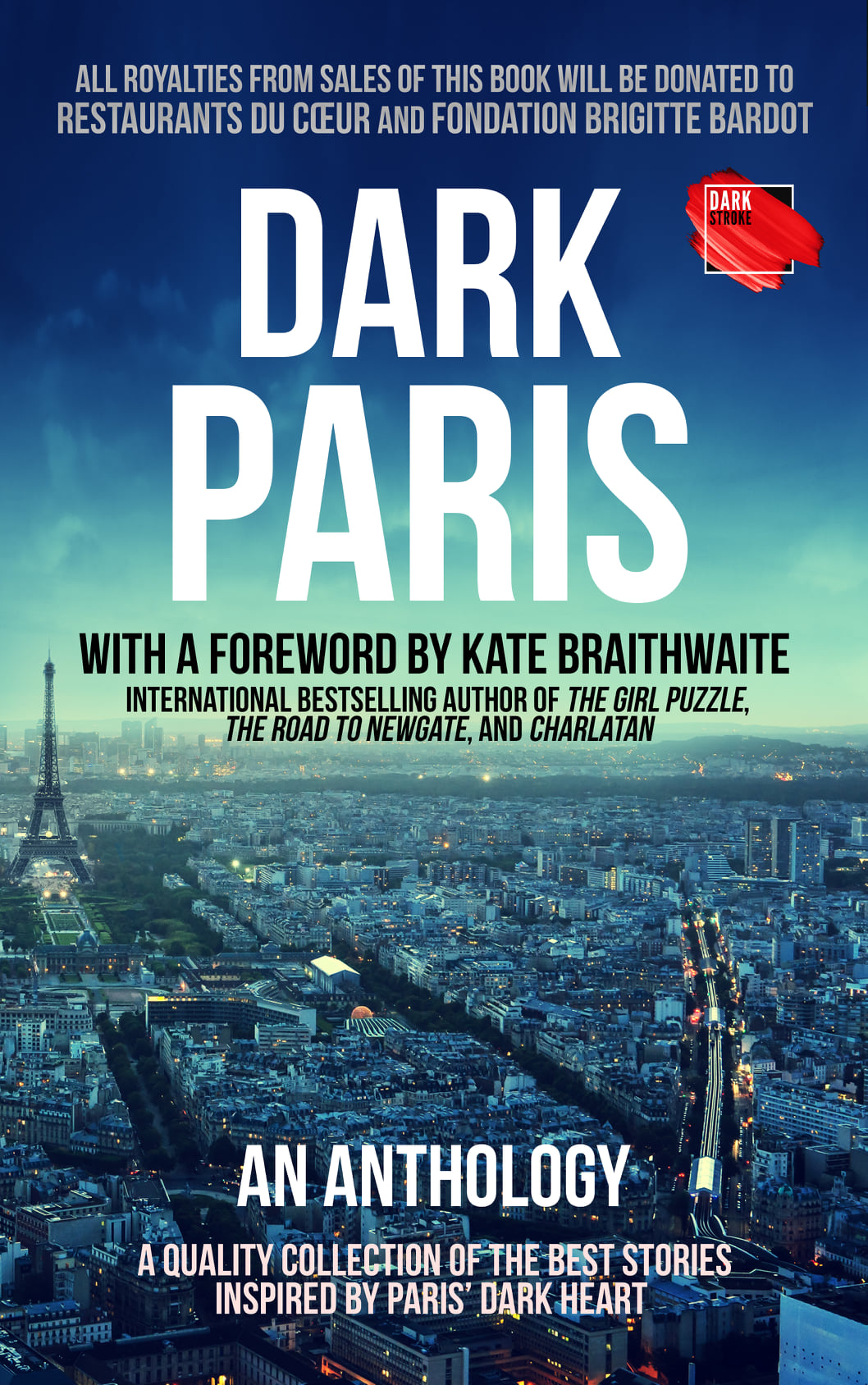
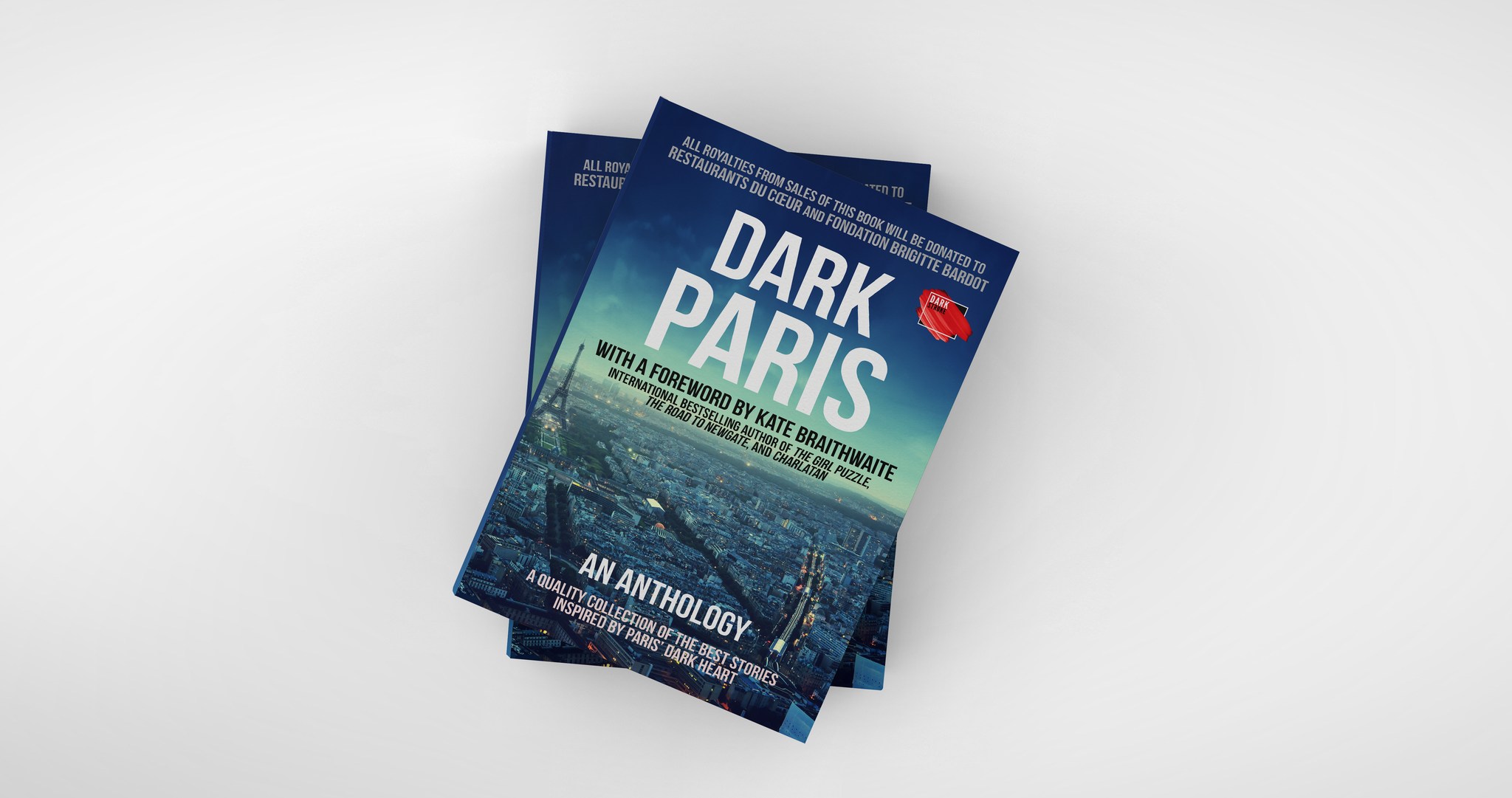
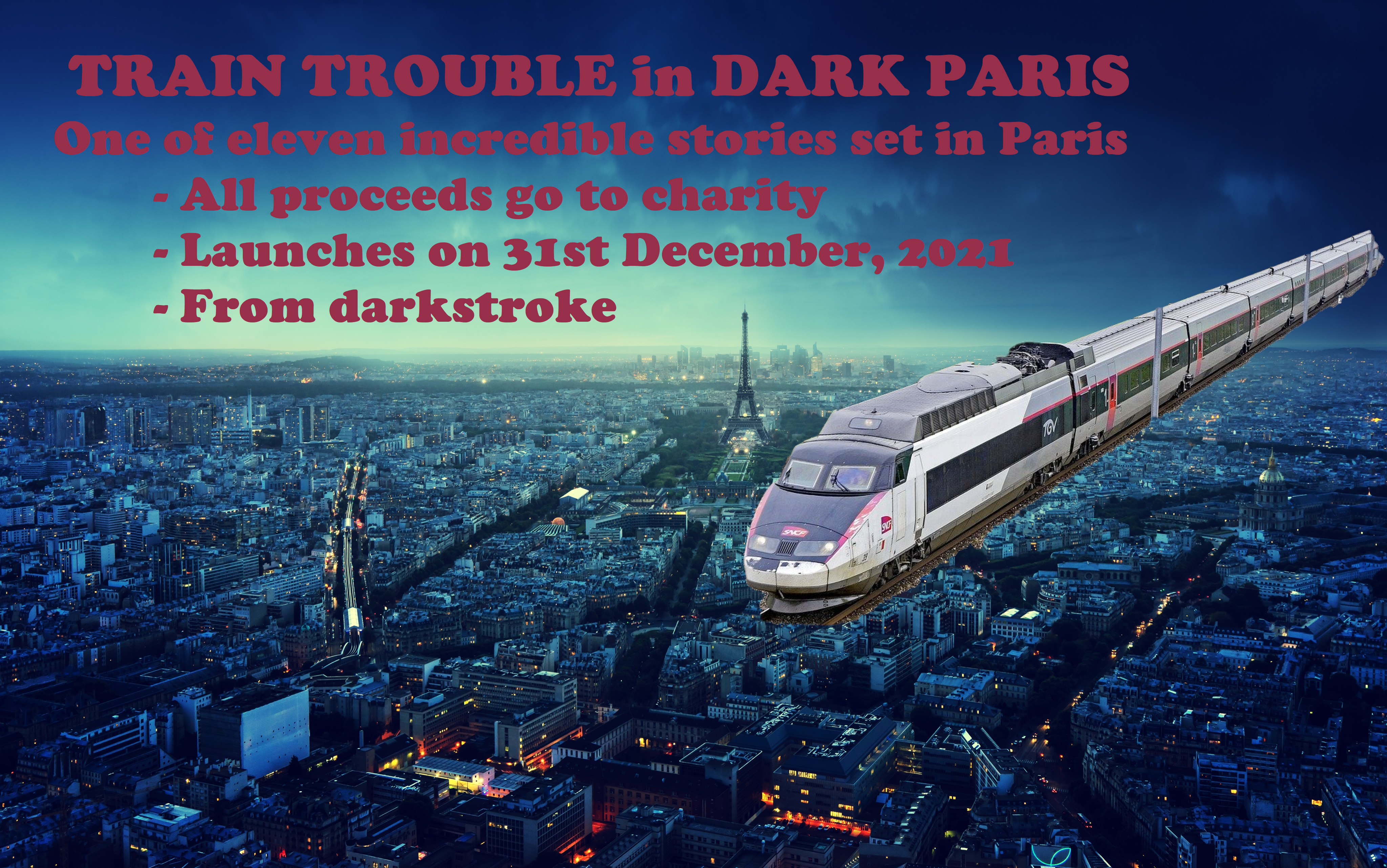
I’ve had two short stories published recently. The first, Train Trouble, is in the Dark Paris anthology from darkstroke. It has 4,459 words.
The second is called A Sticky Interview, and is in the collection called Appointment at 10.30 from Pure Slush. It has just 392 words.
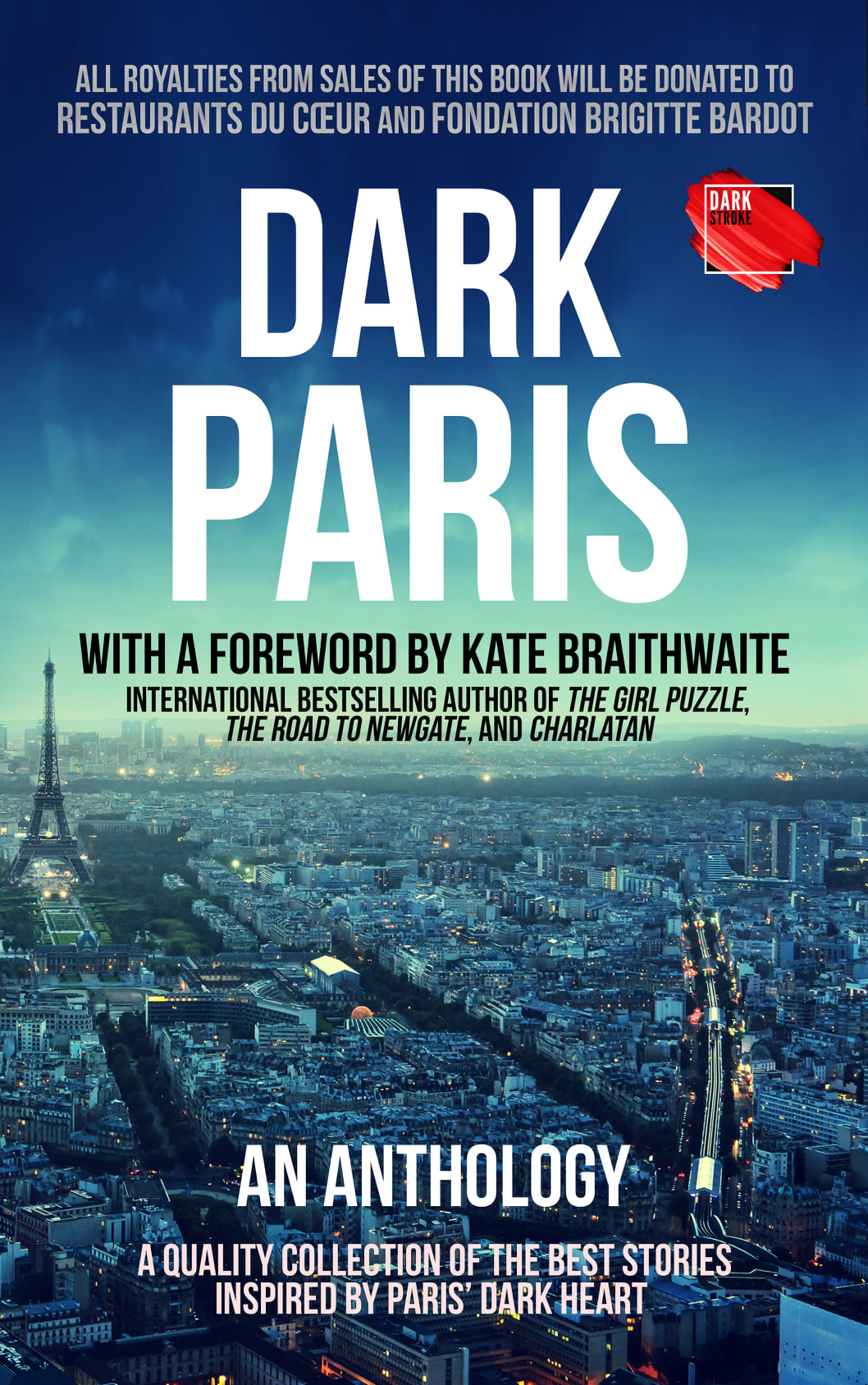
Appointment at 10.30 and Dark Paris
Both are valid as short stories, although the latter would also fit under the flash fiction label.
Train Trouble is long enough to include two main characters, a minor character and some walk-on parts. It also contains several descriptions of places, indoors and out, and a number of scenes.
A Sticky Interview has two characters and two scenes. Descriptions are sparse and concern themselves with nothing more than the particular topic of the story. Yet, its very length led me to experiment. Where else would I write a sentence like:
The blushes lap at his throat, burning his words.
I haven’t written anything quite like that in a longer short story, and certainly not in a novel. Perhaps I should try it, but would I be able to maintain the style in a longer piece?
I’m delighted to welcome back friend and fellow author, Olga Swan, to tell us about an exciting new book.
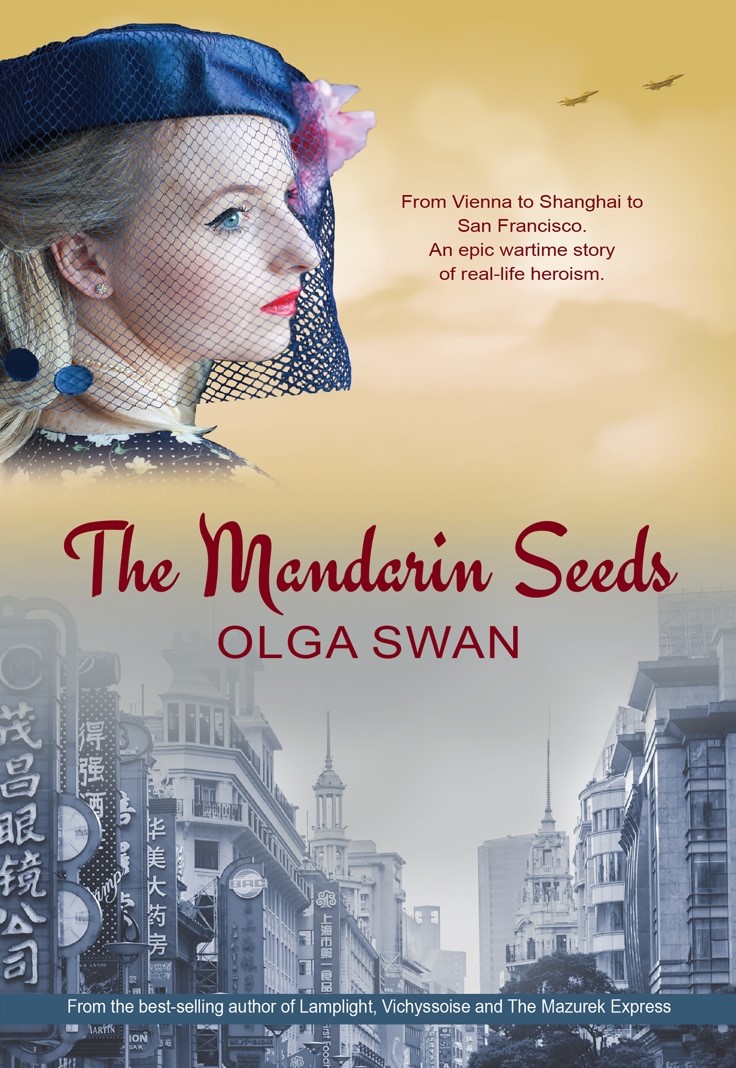
Thank you, Miriam, for welcoming me onto your author blog. It’s fitting really, because there’s a scene in my new novel where my character’s father is transported to Jerusalem, where you live.
Several months ago, I was watching a TV documentary, which spoke of an unsung hero from WWII. I did some research and discovered that he’d saved 20,000 Jewish citizens of Vienna between 1938 and 1940. His name was Ho Feng Shan, and he never told a soul – not even his family – what he’d done. He died in 1997, and was awarded the posthumous ‘Righteous Amongst the Nations’ honour by the Yad Vashem Holocaust Museum in Jerusalem. But I was determined to make this Chinese ‘Schindler’ more widely known, so began writing.
I’m now excited to tell your readers about my new novel, which has just been published. It’s called The Mandarin Seeds. Here’s what it’s about:
In 1935 Vienna, the demi-monde enjoy the delights of the Grunberger patisserie. Eva and boyfriend Michael love dancing in the illicit American jazz clubs, but Nazi terror is rising. For Michael, there is an added anxiety over his previous liaison with mercurial showgirl, Marta. Soon, the desperate situation for the Jewish civilians of Vienna forces them to try to leave, but where can they go?
Step forward an unlikely Chinese hero who miraculously helps them obtain visas for Shanghai.
As showgirl Marta seduces local businessman Sassoon, what will happen to shy Eva in Shanghai?
And what has happened to brave Michael, left behind in Nazi controlled Vienna?
Cross continents to an electrifying and surprising ending in post-war San Francisco.
I got homework to explain why I write books – in a one-minute video. How can I condense all that into one minute? Could you?
Whenever I have limited time or word count to deliver a message, I write down what I want to say and then cut it down to size. I’ve decided to use this blog post to write my thoughts in full. While you read it, think about how you would explain why you do what you do in one minute. I think it’s a great exercise for focusing your reasons, which in turn helps you to move in the right direction.
This is an interesting question. It’s not why did I begin writing. I’ve answered that question many times. I begin my answer with my late friend, Gill, who told me about social anxiety, leading to my becoming passionate about raising awareness of social anxiety and eventually finding an outlet in writing.
But this question is different. It asks why I write now, and it deserves a different answer.
Firstly, I love writing. I love combining words that make sense together, whether fiction or non-fiction. I love creating characters and exploring how they react and interact in familiar settings and in usual or unusual situations. I love the freedom writing gives me to clarify my thoughts, something I’ve never been able to do in conversation.
And I love editing, because editing lets you refine those words to read in the best way that they can. And it lets you find all the typos, point-of-view changes, repeated words and other issues in the text. I know, lots of authors don’t like editing, but I get a thrill out of spotting errors and possibilities for improvement.
I’ve met some wonderful people through writing, people who have helped, provided support, or just popped into in my life.
Just as important are the readers. Without readers, all my hard work would seem pointless. I write so that people can enjoy reading. That’s the main reason. But also, I write so that readers can empathise and sympathise, love and hate. I hope to arouse emotions in them. I also hope they learn something from the experience; we are all constantly learning, as long as we keep our minds open.
Why else do I write? I hope that, through my writing, I will become better known. I hope that more people will read or listen to me, and I’ll be able to promote better understanding of the issues I stand for.
You know what? If I were better at spontaneous verbal communication, I could probably say all of that in a minute. But I’m not, and so I’m going to concentrate on the three topics: writing, readers and raising awareness.
This particular video will appear only in a private Facebook group, but I will be producing public videos in the coming months.
Did you think about how you would transmit the why of what you do in a one-minute video? I’d love to hear about your thoughts.
Recently, I saw the TEDx Talk by Daralyse Lyons, in which she explains how she’s always said she’s biracial despite being told that she has to choose to identify as black or white.
(I have to say this whole concept is alien to me. Here in Israel I see skins of various hues, but never identify people as anything but Israeli. But I understand this practice of putting people into colour boxes is common in the USA, where Daralyse lives, and probably in other countries.)
You can find Daralyse’s talk here and I can tell you it’s worth a listen.
On the same day that I heard that talk, I saw an interesting post from Jennifer Gilmour. The post ends with:
Have you ever struggled with being “unapologetically you”?
I commented:
Have I ever not struggled with it?
Growing up, I was taught not to mention being Jewish where it wasn’t necessary. Because that was a big part of who I was, I found this difficult, especially as there were several other secrets I had to keep.
Here in Israel, I don’t have that problem. I also don’t have a problem with saying I’m Israeli at home, while abroad that can also be hard to say.
And then, of course, there’s social anxiety, which I’m keen to discuss in order to raise awareness, but that’s also hard. What’s lies behind all of those difficulties is a fear of being judged for who I am.
Following that introduction, I want to pass the question on to you. Have you ever struggled with being “unapologetically you”?
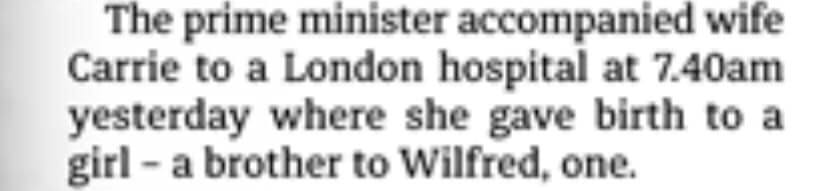
Friend and fellow author and editor, Sue Barnard, posted this image from the Metro newspaper on Facebook last week.
I imagined the scene in the newspaper offices.
“Is it a boy or a girl?” “I haven’t heard yet.” “Let me know ASAP. I’ll write boy for now and change it if it’s a girl.”
Then I remembered the term for this from my hi tech days: reverse engineering. The Oxford Shorter English Dictionary says this is:
the reproduction of another manufacturer’s product following detailed examination of its construction or composition.
Well, maybe that’s not quite what I meant, but you get the idea. I’m thinking about working out how mistakes arise. That reminded me of those weird automatic translations. We’ve seen plenty of those around the world.
In Hong KongIn China
But the translations that make me laugh the most are the ones I see here in Israel, because I can work out how they came about. Take this one that I saw recently in Akko (Acre):
The word ‘character’ doesn’t describe the privileged residents; it means a letter or digit. But it’s incorrect here because it’s translated from the wrong meaning of the Hebrew word ‘tav’. ‘Tav’ can mean many things, including a ‘character’, but in this case it refers to a car sticker. So, there’s a double confusion here.
Conclusion
Automatic translations do not replace editors.
And changing something in a text often has implications for the rest of the text.
Look out for my next post, which will be about identity. That’s who you are, rather than the card you do or don’t carry.
The last day of 2021 sees the publication of eleven dark and compelling stories set in the French capital.
Bravely, we looked down from the top of the roller coaster of stories, searching for themes in six of them, and came up with three:
An Unusual OfferHidingIgnoring a Warning
An Unusual Offer
A Sacrifice Fit For a King by Cathie Dunn The Marquise de Montespan strikes a deal with the Devil to become King Louis XIV’s maîtresse-en-titre, but it comes at a high price.
The Camera Never Lies by Sue Barnard The narrator’s coffee arrives with a free glass of cognac and a madeleine, which she accepts even though it’s a bit early in the day for spirits…
Train Trouble by Miriam Drori The narrator, though wary of returning to France, can’t resist the offer of a free luxury holiday in Paris.
Hiding
Lost and Found by Mary Kendall A little girl in a red sweater hides in the edges of the Catacombs.
The Rose of Montmartre by Christopher Stanfield A serial killer, believed to be dead, has been living a quiet life in Paris under a fake name.
Ignoring a Warning
The Corpse in The Grave by Val Penny A soldier comes to the rescue when a girl falls and warns her to be careful, but she doesn’t heed the warning.
Charities
Two charities will benefit from sales of darkstroke’s upcoming Dark Paris anthology:
The Restaurants du Cœur (literally Restaurants of the Heart but meaning Restaurants of Love), is commonly known as the Restos du Cœur. Its main activity is to distribute food packages and hot meals to those in need across France. It does not only target homeless, but also all those with a low or very low income, and helps people to find housing and supports other projects.
The Fondation Brigitte Bardot fights against all forms of animal abuse in France and abroad. It participates in projects of reintroduction into the wild and the creation of sanctuaries and rehabilitation centres for wildlife.
Over to You
What do those themes mean to you? Do they remind you of something you experienced or heard about? We’d love to hear your stories.
You can write here in the comments, or on social media wherever you saw the link to this post.
Remember that novel I was going to write in November? Well, I wrote it. I didn’t reach the magic total of 50,000 words, by I did pass 40,000, and now I have the first draft of a sequel to Style and the Solitary that will need a lot more work before I can submit it for publication.
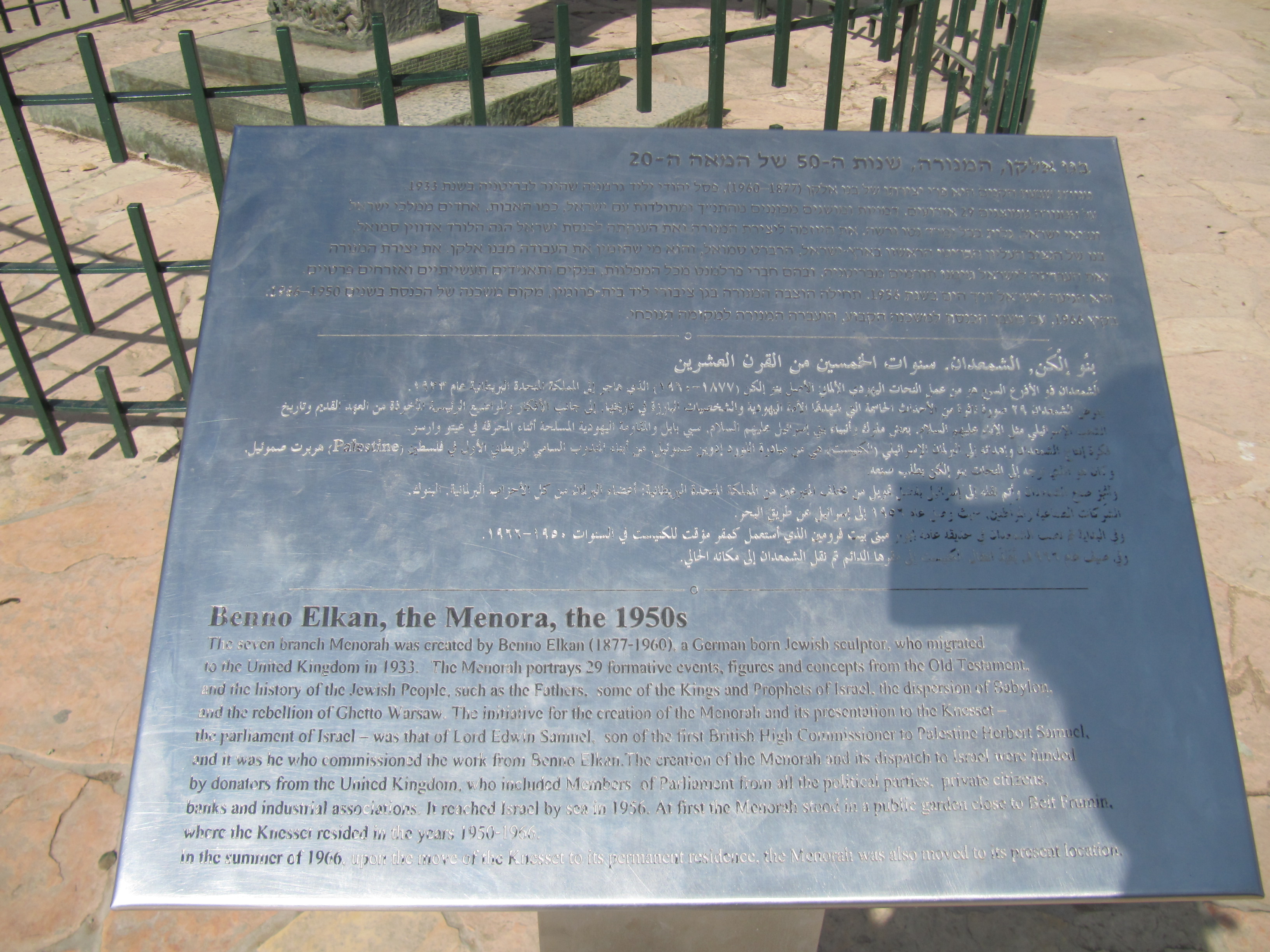
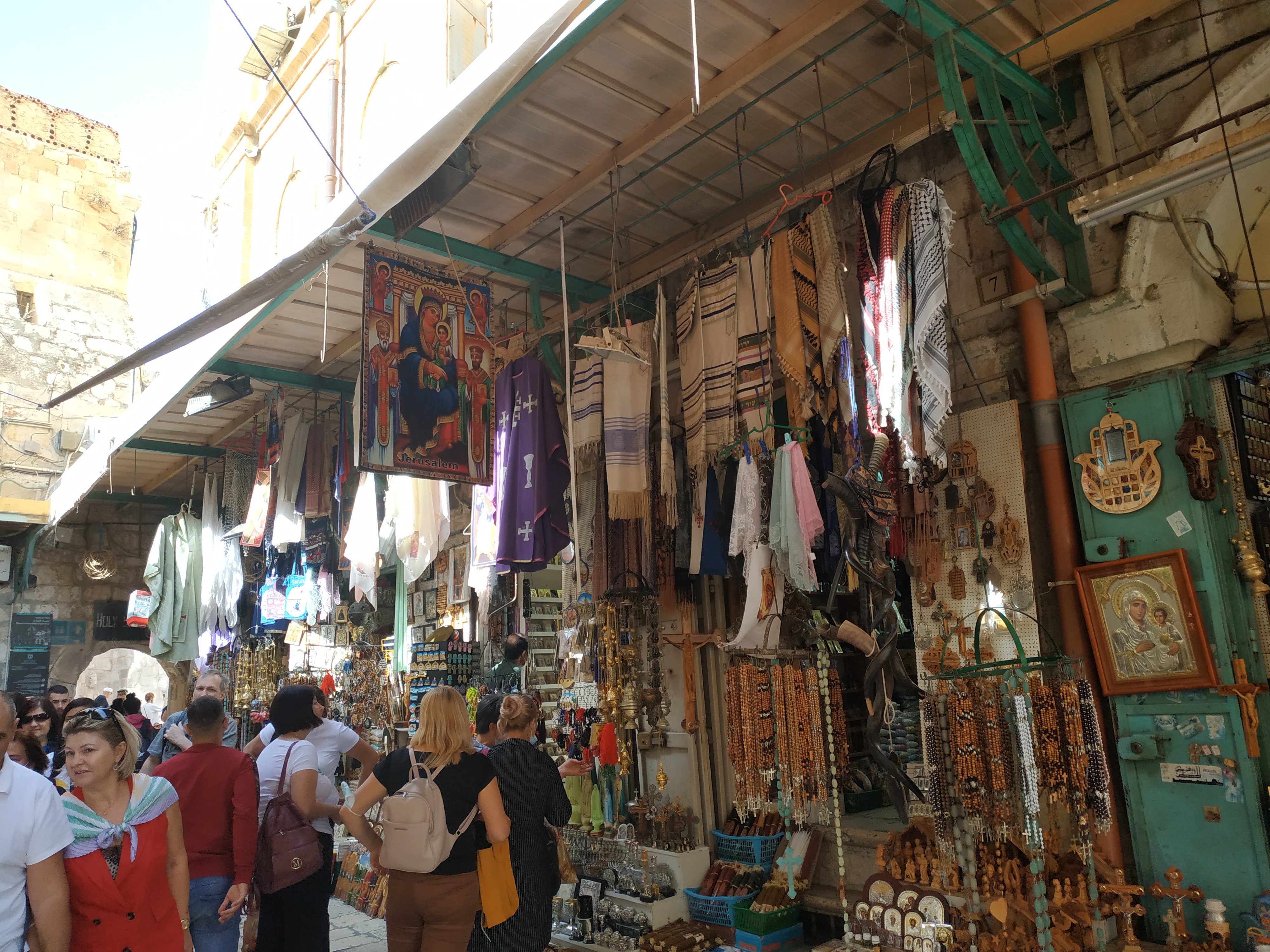
As well as spending time writing every day in November, I wandered around Jerusalem and further afield, gathering information for the novel. Here are a few of the pictures I took:
As every year, there was plenty of support from our local group of writers, and in particular Melina Kantor and Shoshana Raun. I wouldn’t have managed without them.
Now, I’m trying to catch up on all the tasks I postponed in November.
I’m also looking forward to the publication of Dark Paris, an anthology of dark stories set in Paris, all proceeds of which go to two charities: Restaurants du Cœur and Fondation Brigitte Bardot. My contribution to the anthology is called Train Trouble.