It’s Friday, which means it’s time for the next post in the series That’s Not Me!, which examines how much of our fiction is autobiographical and why some authors try to insist there’s no link between their fictional characters and themselves.

Today’s post comes from Vanessa Couchman, writer of historical fiction and a fellow member of Ocelot Press. She brings up issues I hadn’t even thought of…
Now You See Me, Now You Don’t!
Thank you, Miriam, for inviting me to write about this thought-provoking topic.
I write historical fiction, in which the protagonist is usually a woman with barriers to overcome. The characters are often loosely based on real people who lived at the time. Since I don’t write contemporary fiction, people are less likely to see themselves or me in my novels. However, there are still some pitfalls to avoid.
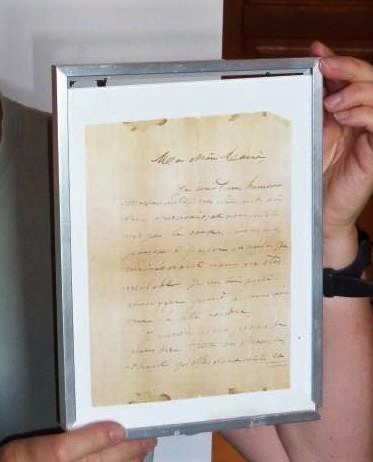
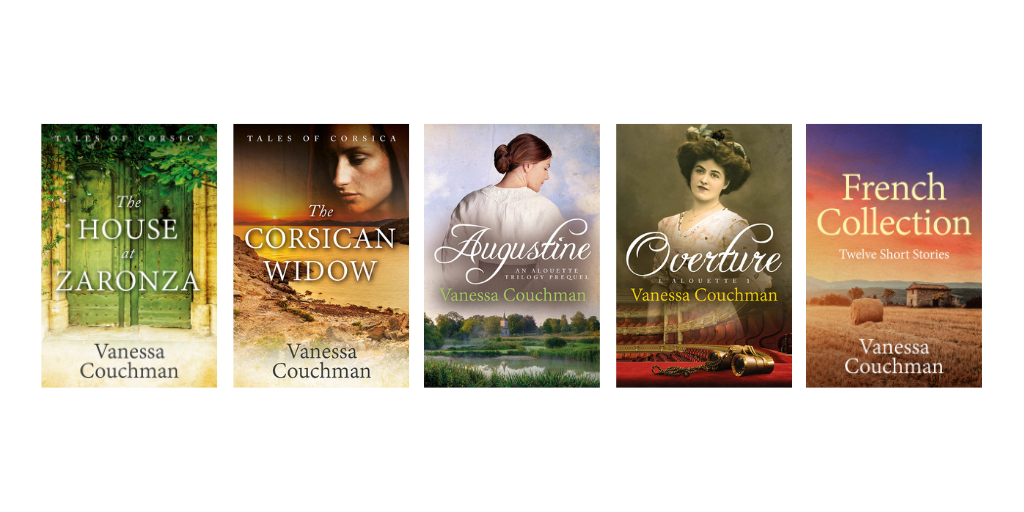
For example, I never use well-known historical figures as protagonists, although they might get a walk-on part. Why? First, I discovered the existence of the main characters in my Corsica novels, The House at Zaronza and The Corsican Widow, purely by chance. The first is recorded in letters hidden for over a century before coming to light. I used clues to her personality from those letters, but she is largely a made-up character. I found a brief reference to the second in an out-of-print history of Corsica, which supplied little detail. So she is a character built almost from scratch, too.
Second, using completely, or mostly, fictional characters gives you carte blanche to develop the character without the constraints of knowledge about a documented historical figure. You still have to create a believable personality, e.g. how would this person behave in certain circumstances? Is their personality consistent with their upbringing/culture/society?
Do I put myself into my characters? Not deliberately, but it’s inevitable that I share certain traits with some of my protagonists. Also, my stories might include topics I know about. My protagonist in Overture, set in Belle Époque France, wants to become an opera singer. I’ve never had ambitions in that line, but I do sing, and I am very fond of music. In fact, she is loosely based on a real-life opera singer who also came from modest origins and rose to the pinnacle of her profession.
It’s difficult to prevent people who know you from thinking that your characters are reflections of you and your opinions. I wrote The House at Zaronza in first person point of view (POV). Although I don’t believe the protagonist resembles me as a person, one reader said, “I couldn’t stop identifying her with you.” Nobody else has said that. Even so, I have written subsequent novels in close third person POV, partly as a reaction.
On another occasion, a couple I know read my short story anthology, French Collection. A few of the stories contain curse words, which are in character with the protagonists. The couple said, “We thought, ‘That doesn’t sound like Vanessa!’” They clearly don’t know me very well! Seriously, though, their reading of the book was influenced by knowing me personally.
Ultimately, as a writer you have to accept what comes with putting your work out there, while being aware of the potential downsides.
Bio
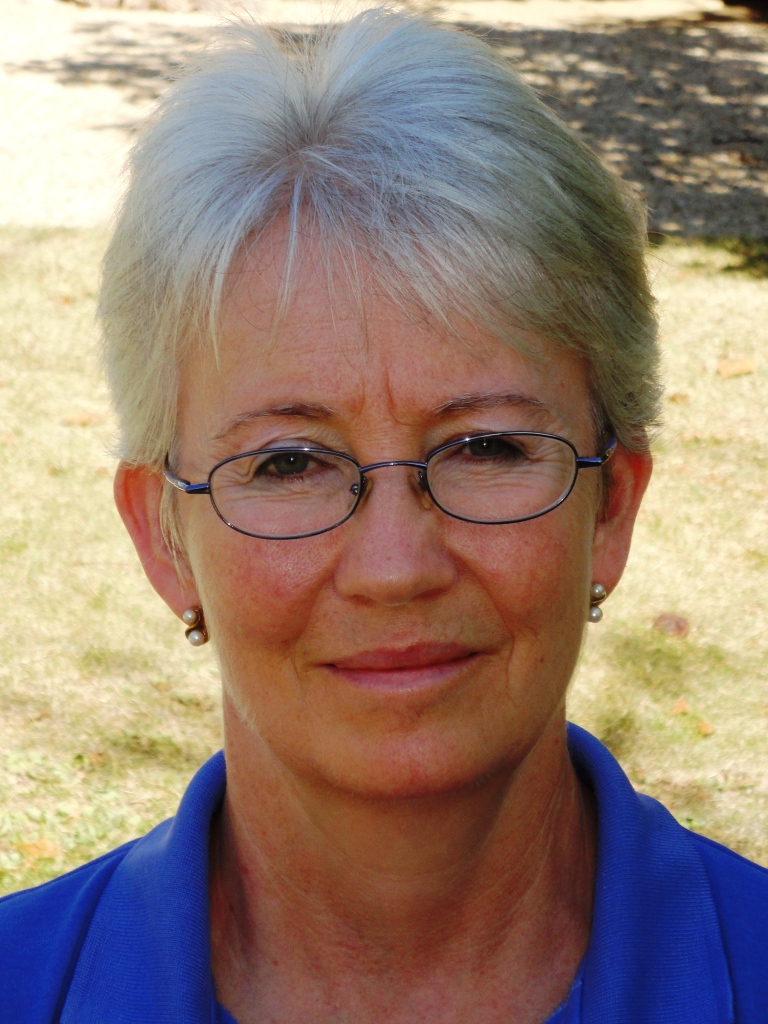
Vanessa Couchman has lived in Southwest France since 1997. A self-confessed ‘history nut’, she writes historical novels and short stories, frequently set in France or on the Mediterranean island of Corsica. Quirky true tales often find their way into her fiction, and she likes nothing more than pottering around ruined châteaux or exploring the lesser-known byways of France. Vanessa is a member of the author collective Ocelot Press.
Links to books
French Collection: Twelve Short Stories
Augustine (prequel to the Alouette trilogy)
Overture (Book 1 in the Alouette trilogy)
 Today, you’re invited to meet Rachel Swift, who tops and tails The House at Zaronza by Vanessa Couchman, another great Crooked Cat read. Here is her letter to Maria Orsini, whom she never met but who had a great influence on the lives of Rachel’s family.
 You died long before I was born and I really wish I had had the chance to meet you.
 What an extraordinary woman you were! From a sheltered upbringing in a quiet backwater, you left Corsica in 1917 to nurse at the Western Front, something that would have been unthinkable for a Corsican woman a generation earlier. But you were always deeply attached to the island and now I understand why. I feel something of that bond myself.
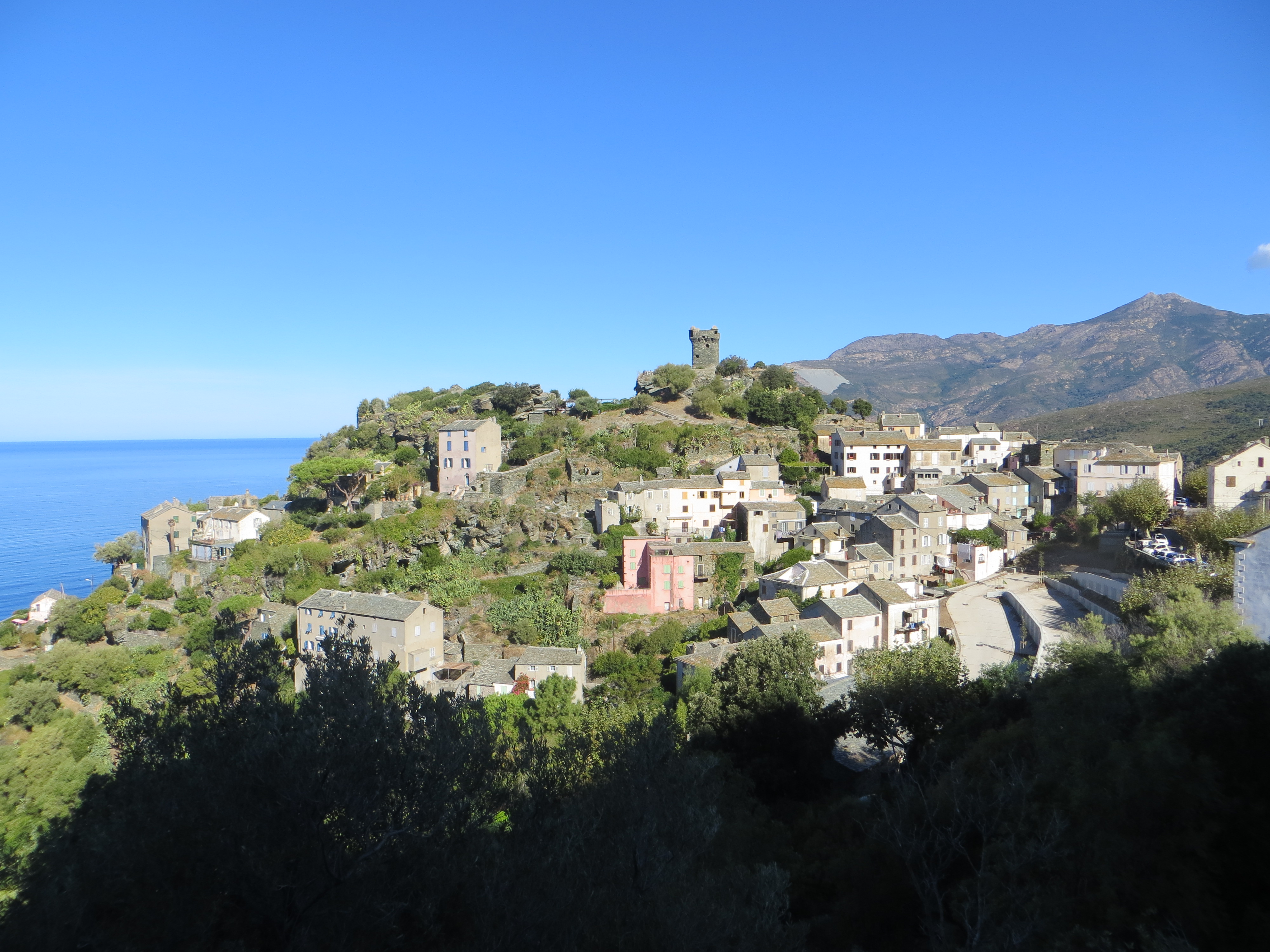
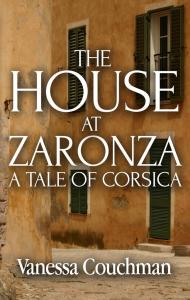 Set in early 20th-century Corsica and at the Western Front in World War I, The House at Zaronza is loosely inspired by a true story. Maria Orsini, the daughter of a bourgeois family in a Corsican village, and the local schoolmaster carry on a secret romance. Maria’s parents have other plans for her future and she sees her dreams crumble. Her life is played out against the backdrop of Corsica, the ‘island of beauty’, and the turmoil of World War I. This is a story about love, betrayal, loss and reconciliation in a strict patriarchal society, whose values are challenged as the world changes.
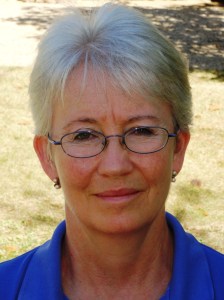 Vanessa lives in France and is passionate about French and Corsican history and culture, the inspiration for her writing. The House at Zaronza is based on an intriguing true story that she came across when holidaying on the beguiling Mediterranean island of Corsica.
 Miriam Drori, Author