Categories
Books That's Not Me

Meeting Yourself in Fiction

I’ve given this post a different title, but in a way it’s part of That’s Not Me! Yes, I think it can include the banner.

In a recent guest post, Ritu Bhathal wrote about the problem of not identifying with the protagonists of the stories she read. That was what led her to write her own stories about British Asian characters.

I found myself identifying with what she had to say. The stories I’ve read have not often included Jewish characters, and almost never British Jews.

“Does that matter?” you might ask. I’m sure it does, especially for a child, growing up and trying to make sense of her world.

The characters in the novels I read as a child never struggled to fit in due to being Jewish. They never worried if they were saying the “correct” thing, whether to non-Jews or to other Jews. They never had to forgo an activity because it didn’t chime with their religion. They seemed to live such uncomplicated lives.

When I did read a book about Jews, I devoured it, even when it was set in the twelfth century (The Star and the Sword by Pamela Melnikoff). Even when it was a thousand pages long, like The Source by James A. Michener. Even when the Jews mostly weren’t British, as in Exodus by Leon Uris, as well as The Source.
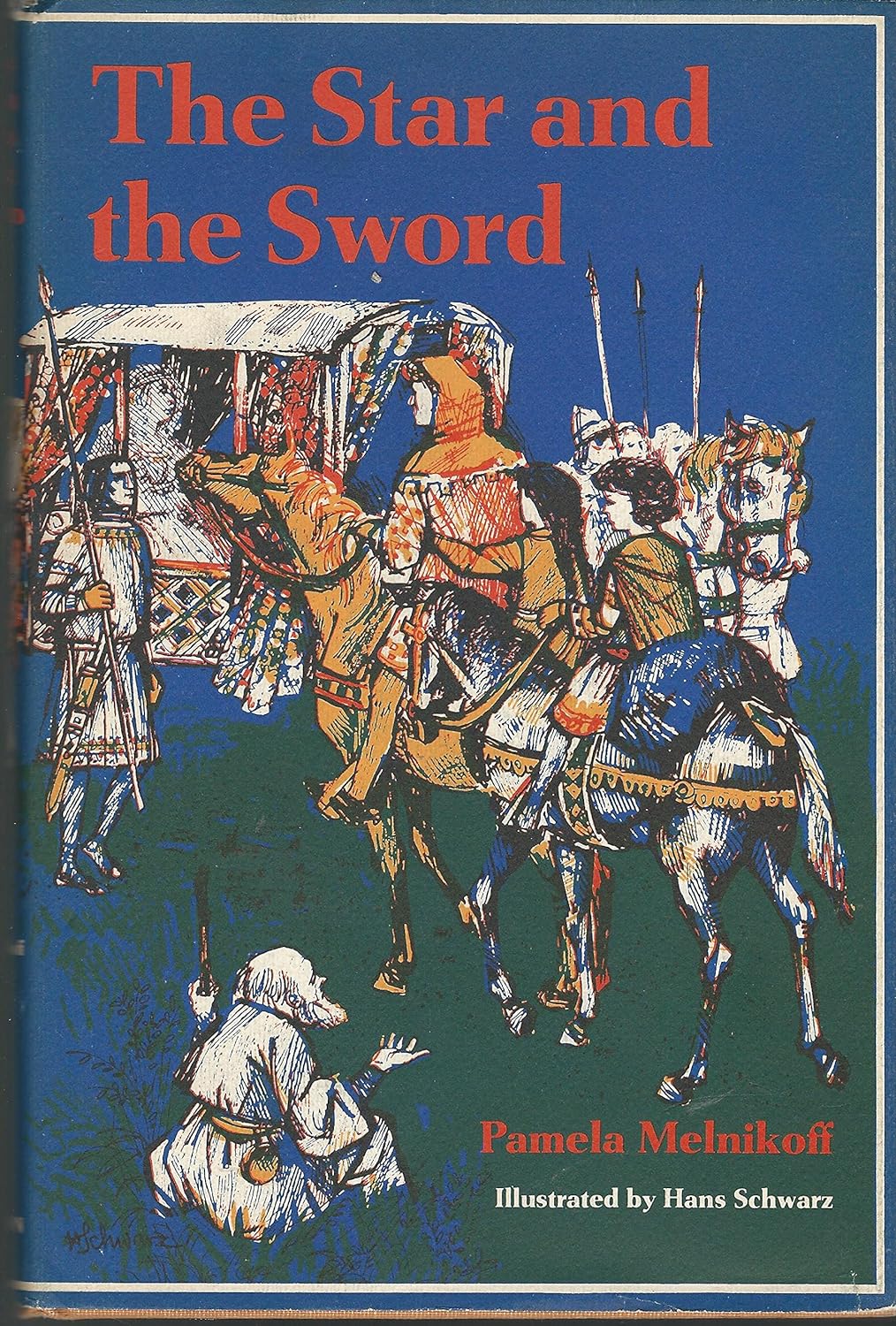
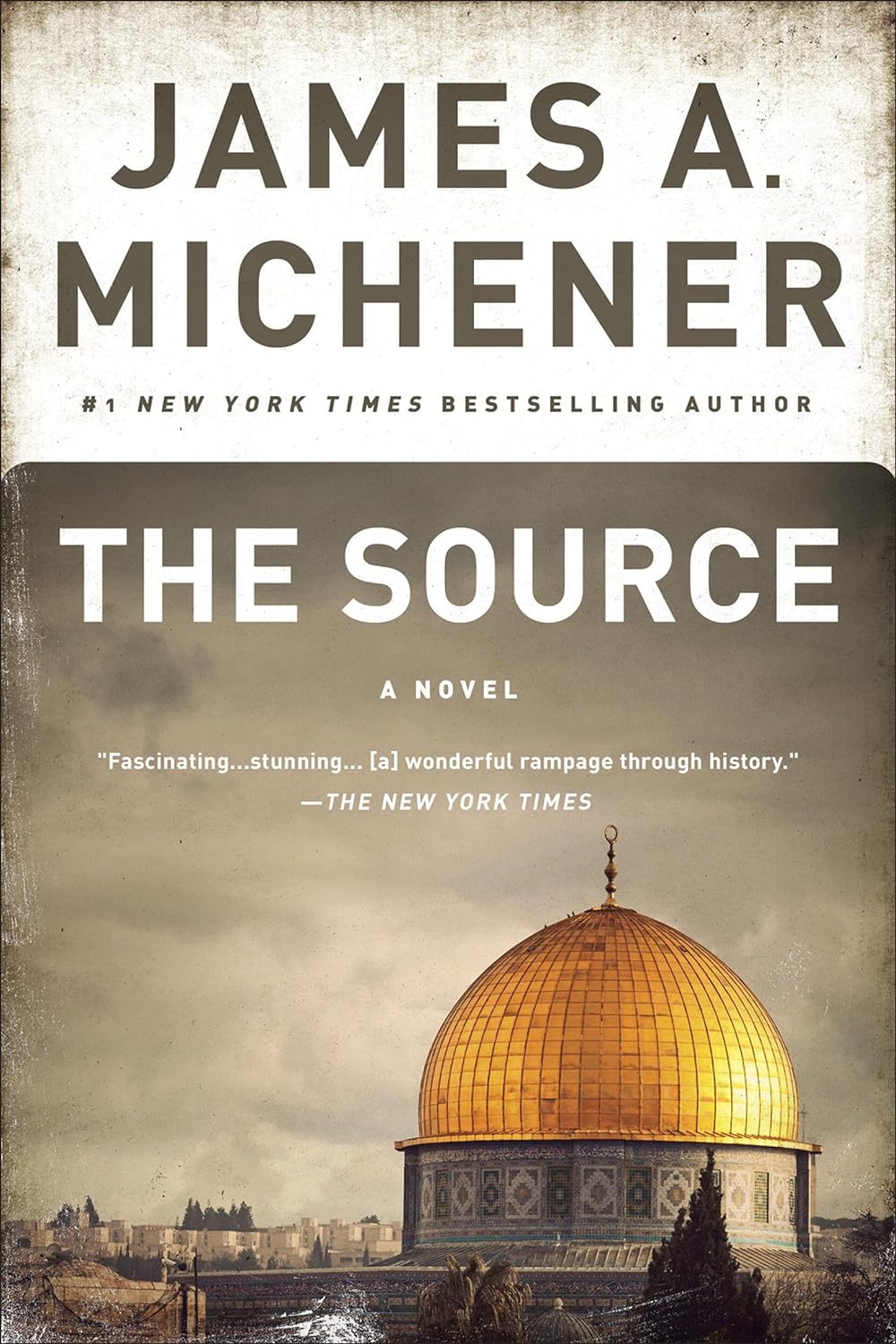
In my case, the lack of Jewish characters in fiction didn’t cause me to start writing them. It took me several decades to even attempt to write my own stories. No. In my case, the rare books with Jewish characters, especially Exodus, influenced my decision to live in Israel. Because before and after the twelfth century and up to five years before I was born, Jews had nowhere to go where they felt protected. And now, we had our own country and I wanted to be part of it.

I have to say that, considering what’s going on in the world now and the way Jews are being treated, I’m gladder than ever that I made the decision to move. Israel is the only place where I’m never afraid to say who I am. It’s also the only place where I feel the authorities have my back. I know mistakes were made recently that enabled an enormous massacre to take place, but I don’t think that will happen again.


In contrast, the absence of a different group of characters from novels did influence my decision to write. I saw no characters with social anxiety, no characters who struggled to join in a conversation or to put themselves into the limelight, and there are still very few such fictional characters. I wondered if that was because they’re hard to write. If a character doesn’t say much, they could be considered uninteresting and therefore a bad template for a protagonist. But I decided to have a go, anyway, and I believe I succeeded. Even if a character doesn’t talk a lot, they can have an interesting variety of thoughts, and the people around them can have plenty to say. My uplit novel, Cultivating a Fuji, has two characters who have developed social anxiety. My Jerusalem Murder Mystery series (book 2 to come soon) has one.

It turns out it’s possible to write a character with social anxiety, and I expect the reason why authors don’t do it, despite the very large number of people who live with the condition, is that the topic doesn’t interest them. I would argue that it should interest them, because even if they don’t have first-hand experience of it, they probably know someone who does.


How about you? Did/do you see yourself in books? Do you think it’s important to see yourself in books? Have you written stories with characters like you?

Categories
Books That's Not Me

That’s Not Me: Ritu Bhathal

Here’s an author who is new to me. What she has to say is fascinating. Also, the spark for her writing is something I can relate to.

That’s Not Me! examines how much of our fiction is autobiographical and why some authors try to insist there’s no link between their fictional characters and themselves. If you want to take part, have a look here and get in touch. You don’t have to be a writer. Readers also have views!


That’s Not Me!

When I started out writing short stories, the ones that garnered the most positive responses were ones that centred around my cultural heritage.

For clarity, I am a British-born Indian, Sikh to be precise, born to Kenyan-born Indian parents. Quite a colourful mish mash there to keep my inspiration wells filled with all sorts of ideas.

I have always been an avid reader, and one thing I found was that there was a gaping hole in the book world. Sure, there are plenty of lauded Indian writers, but there were very few books I could read where I related to the characters.

As a Brit, there were plenty of contemporary choices to relate to. As an Indian, I could find umpteen books set in the Motherland.

But there was a gap.

Very few characters looked like me. There were a handful of authors (if that) dealing with British Asians as the protagonists of their stories.

And so, I embarked upon a mission to write a story about someone who looked a little like me.

Not literally, of course.

I mean a book with a British Indian family at the heart, dealing with the crossover issues I lived with all my life; not being fully Western, and not all that Eastern, either.

It took a while to write. But I poured everything into that first book, Marriage Unarranged, and when I first announced I was self-publishing it, I was met with so much encouragement from my blogging community, the social media following I had gathered, and friends and
family close to me.

What I hadn’t expected was the volume of questions I got, from people I knew, as well as other readers, about whether this story was my story.

Well, yes, it is my story, in that I made it up and wrote it. But it isn’t my story if you know what I mean.

This was when it hit home that because there weren’t as many authors in my genre, from my background, it almost felt as if readers out there thought we only had our own stories to tell.

Sure, there were a lot of books out there that were partially autobiographical, sometimes with tragic backgrounds, but we, as POC writers, also have imaginations and people who looked like us could also have romances and first world problems, as they say, that could form the basis of stories.

My main character, Aashi was a young woman, of a similar age to me, born in Birmingham, where I grew up. Those were the similarities. And that’s where they ended.

Life is your biggest source of inspiration, or so I believe, and there may have been certain real-life interactions that ignited a spark of an idea for scenes in the story, or quite possibly the shadow of a person would be built upon to create a minor character, but the whys and the wherefores were all made up.

It was fiction, after all. The amount of time I had to field questions about whether this was based on my life was unreal.

My second book, Straight As A Jalebi, was a lot easier to defend, though I should never have had to, in the first place, as the main character, Sunny, is a gay guy. I am not male, and not gay!

But I have to say, the third book, In God’s Hands, which I am writing, might be tougher to explain away, since the main theme is infertility through the eyes of a British Asian couple, and I have been down that road.

Maybe that is why it is the hardest story I have had to write, as I recall my own experiences, but try to ensure they are not what I am basing my plot around. Because this isn’t my story, it’s Kiran’s. This is where I have dug deep to use my feelings and reached out to others in similar situations to do my research, to give a rounded, realistic account of her fertility journey that doesn’t mirror mine.

But, just to reiterate, characters and stories I write? That’s Not Me!

Author Bio

Ritu Bhathal was born in Birmingham in the mid-1970s to migrant parents, hailing from Kenya but with Indian origin. This colourful background has been a constant source of inspiration to her.

From childhood, Ritu always enjoyed reading. This love of books is credited to her mother. The joy of reading spurred her on to become creative in her writing, from fiction to poetry. Winning little writing competitions at school and locally encouraged her to continue writing.

As a wife, mother, daughter, sister, and teacher, she has drawn on inspiration from many avenues to create the poems and stories that she writes.

A qualified teacher, having studied at Kingston University, she now deals with classes of children and managing a team of staff as a side-line to her writing!

She also writes a blog, www.butismileanyway.com, a mixture of life and creativity, thoughts and opinions, which was awarded first place in the Best Overall Blog category at the 2017 Annual Bloggers Bash Awards, and Best Book Blog in 2019.

Ritu has two novels, Marriage Unarranged and Straight As A Jalebi, published by Spellbound Books, and a third in the series, In God’s Hands, coming out soon.

Ritu is happily married and living in Kent, with her Hubby Dearest, and two teenaged children, not forgetting the fur baby Sonu Singh.

Social Media Links

All Ritu’s links

Book Links