
I’ve given this post a different title, but in a way it’s part of That’s Not Me! Yes, I think it can include the banner.

In a recent guest post, Ritu Bhathal wrote about the problem of not identifying with the protagonists of the stories she read. That was what led her to write her own stories about British Asian characters.
I found myself identifying with what she had to say. The stories I’ve read have not often included Jewish characters, and almost never British Jews.
“Does that matter?” you might ask. I’m sure it does, especially for a child, growing up and trying to make sense of her world.
The characters in the novels I read as a child never struggled to fit in due to being Jewish. They never worried if they were saying the “correct” thing, whether to non-Jews or to other Jews. They never had to forgo an activity because it didn’t chime with their religion. They seemed to live such uncomplicated lives.
When I did read a book about Jews, I devoured it, even when it was set in the twelfth century (The Star and the Sword by Pamela Melnikoff). Even when it was a thousand pages long, like The Source by James A. Michener. Even when the Jews mostly weren’t British, as in Exodus by Leon Uris, as well as The Source.
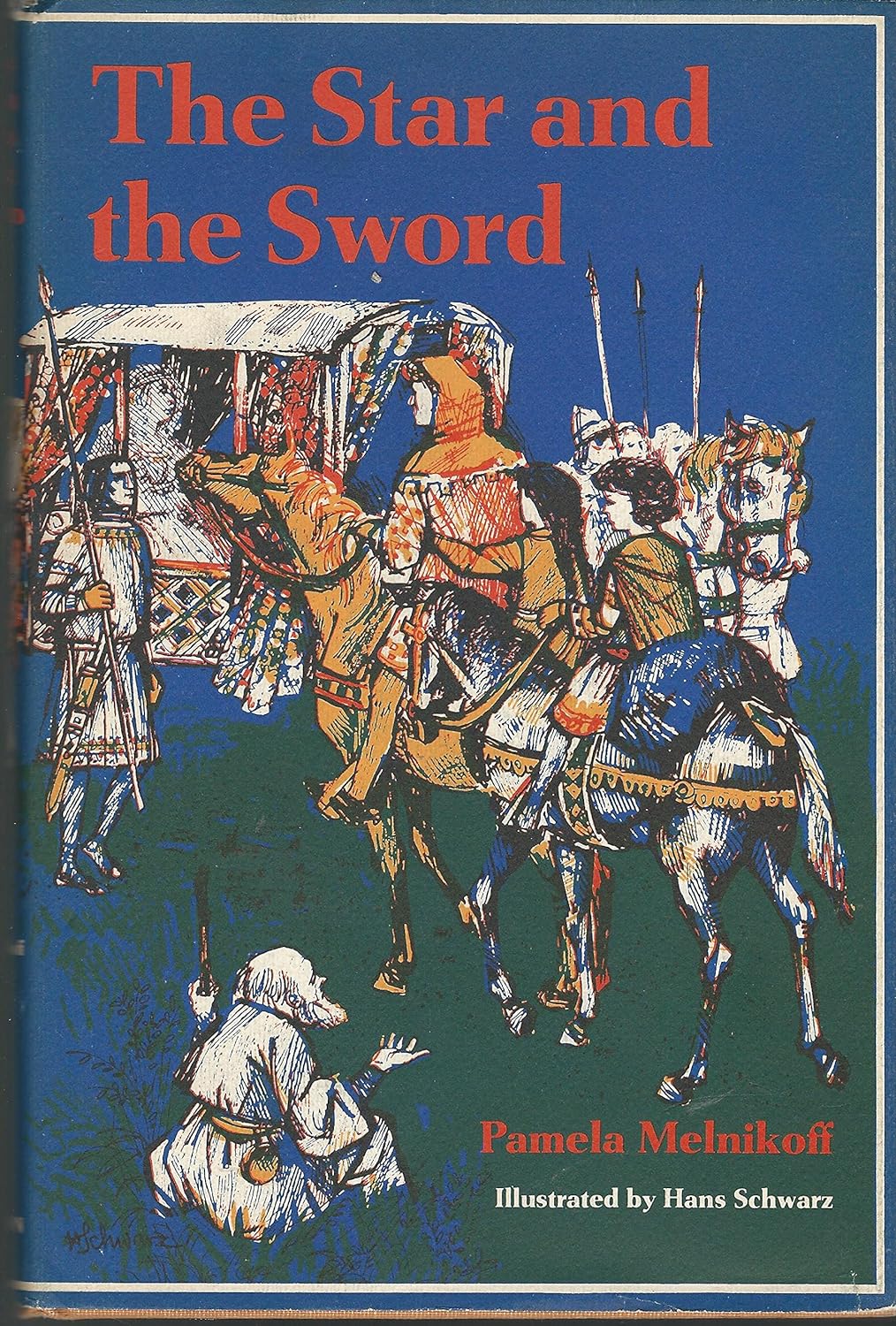
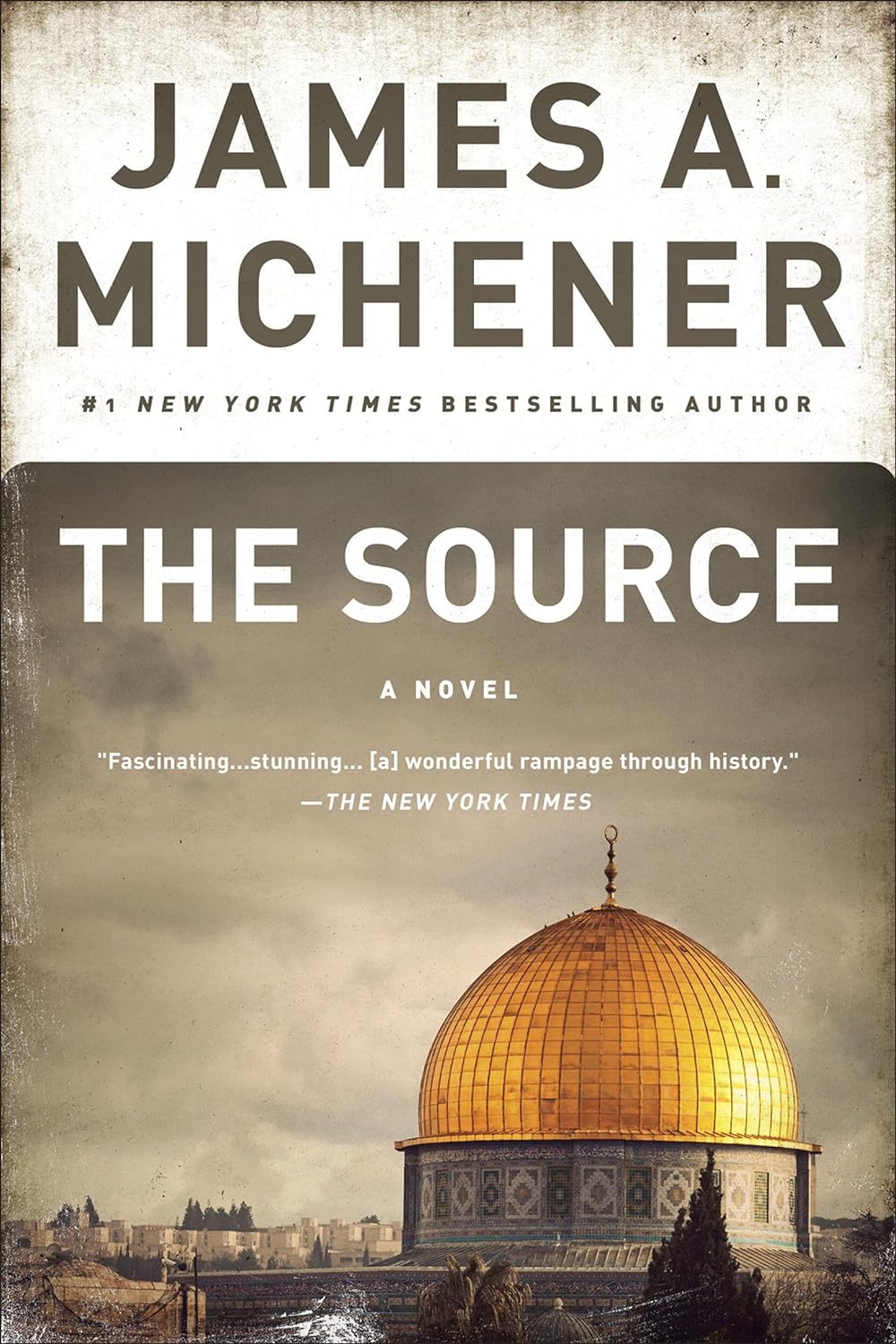

In my case, the lack of Jewish characters in fiction didn’t cause me to start writing them. It took me several decades to even attempt to write my own stories. No. In my case, the rare books with Jewish characters, especially Exodus, influenced my decision to live in Israel. Because before and after the twelfth century and up to five years before I was born, Jews had nowhere to go where they felt protected. And now, we had our own country and I wanted to be part of it.
I have to say that, considering what’s going on in the world now and the way Jews are being treated, I’m gladder than ever that I made the decision to move. Israel is the only place where I’m never afraid to say who I am. It’s also the only place where I feel the authorities have my back. I know mistakes were made recently that enabled an enormous massacre to take place, but I don’t think that will happen again.
In contrast, the absence of a different group of characters from novels did influence my decision to write. I saw no characters with social anxiety, no characters who struggled to join in a conversation or to put themselves into the limelight, and there are still very few such fictional characters. I wondered if that was because they’re hard to write. If a character doesn’t say much, they could be considered uninteresting and therefore a bad template for a protagonist. But I decided to have a go, anyway, and I believe I succeeded. Even if a character doesn’t talk a lot, they can have an interesting variety of thoughts, and the people around them can have plenty to say. My uplit novel, Cultivating a Fuji, has two characters who have developed social anxiety. My Jerusalem Murder Mystery series (book 2 to come soon) has one.


It turns out it’s possible to write a character with social anxiety, and I expect the reason why authors don’t do it, despite the very large number of people who live with the condition, is that the topic doesn’t interest them. I would argue that it should interest them, because even if they don’t have first-hand experience of it, they probably know someone who does.
How about you? Did/do you see yourself in books? Do you think it’s important to see yourself in books? Have you written stories with characters like you?


 Miriam Drori, Author